Blackjack Loyalty Ascent: Free Play Pathways to Premium Status Through Calculated Wagers and Site Selection
Olivia Koch · Jul 10, 2026
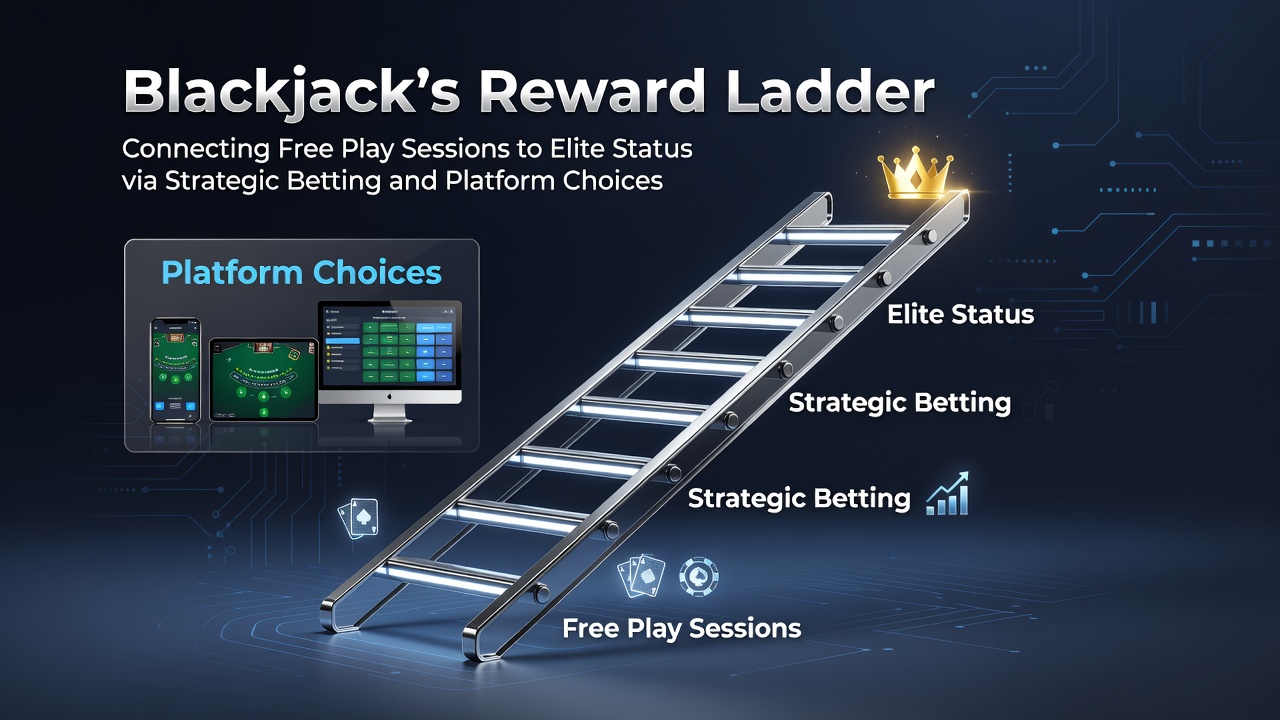
Blackjack Loyalty Ascent: Free Play Pathways to Premium Status Through Calculated Wagers and Site Selection
Blackjack reward systems operate through structured loyalty frameworks that convert player activity into tiered benefits, and these structures connect practice environments directly to higher status levels when participants apply consistent betting approaches alongside careful platform evaluations. Casinos track wagers across free and real-money sessions to award points that unlock cashback, exclusive tables, and personalized offers, while regulatory shifts scheduled for July 2026 in several jurisdictions require machine compliance updates that may influence how operators structure these same reward mechanics.
Free Play as Entry Point to Tier Accumulation
Free play modes allow participants to log hours at virtual or demo tables without financial risk, yet many platforms integrate these sessions into the same loyalty database used for paid play. Points accrue based on time spent and hands completed rather than stake size alone, which means regular users build toward bronze or silver status through repetition. Observers note that players who transition from these modes often carry forward accumulated metrics that accelerate their climb once real wagers begin, because algorithms treat historical engagement as a baseline for future rewards.
Strategic betting during the shift from free to paid play involves adjusting wager sizes to match platform multipliers. Some operators award double points during peak hours or for specific blackjack variants, so participants who monitor these windows maximize returns without increasing overall exposure. Research indicates that structured bankroll allocation across multiple short sessions produces steadier point gains than single large bets, since most systems calculate averages over rolling periods.
Platform Choices That Shape Reward Velocity
Selection of gaming sites determines the speed at which free play converts into elite perks because each operator maintains distinct point-to-reward ratios and qualification thresholds. Venues with integrated live dealer options frequently link mobile sessions to desktop accounts, creating unified tracking that prevents fragmentation of progress. Those who compare welcome structures and ongoing promotions discover that certain platforms front-load bonus points for new accounts, effectively shortening the path from entry-level to mid-tier status.
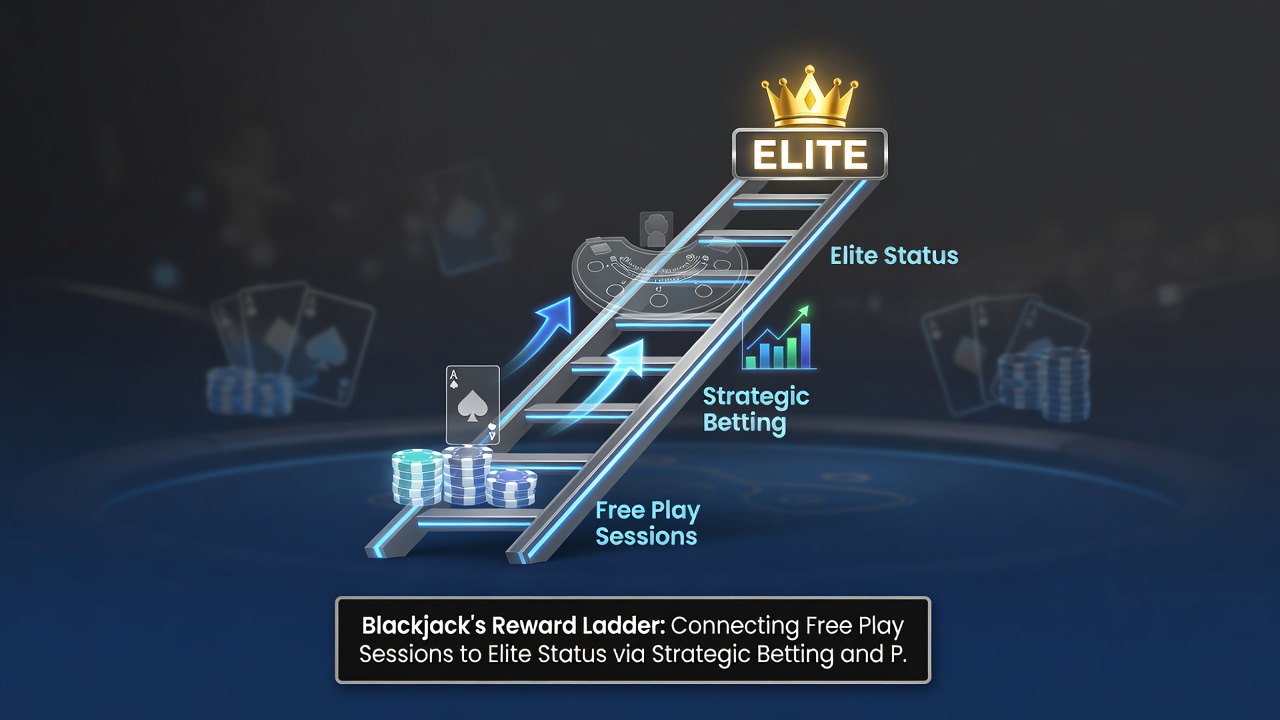
Data from the Nevada Gaming Control Board shows that properties emphasizing multi-channel play report higher retention among loyalty members who started with complimentary sessions, since seamless transfers between practice and live environments reduce drop-off. Platform comparisons also reveal differences in how July 2026 machine compliance rules may affect physical venues, where updated equipment could alter point-earning rates tied to specific game terminals.
Betting Patterns That Align With Tier Requirements
Elite status usually demands minimum monthly or quarterly activity thresholds measured in total wagered amounts. Participants who study these requirements often adopt flat betting systems during free play periods to preserve capital while still meeting volume targets once they move to cash tables. Progressive strategies that increase stakes after wins can help reach higher brackets faster, but only when platforms apply the same multiplier to both base and bonus points.
One documented approach involves concentrating play on blackjack tables that offer side bets or progressive jackpots, because some programs assign elevated point values to those additional wagers. This method connects directly to platform choice, since only certain sites publish transparent tables listing point rates per game type. Those who've examined multiple operators find that consistent application of such patterns produces more predictable advancement than random selection of tables or stakes.
Regulatory Context and Operational Adjustments
Upcoming compliance deadlines in July 2026 require land-based facilities to retire non-conforming machines, which may prompt operators to revise reward formulas attached to legacy equipment. While online platforms face fewer hardware constraints, industry reports suggest they will mirror some of these adjustments to maintain competitive parity. Participants who track regulatory announcements from bodies such as the Nevada Gaming Control Board gain advance notice of how point structures might shift, allowing them to front-load activity before changes take effect.
Cross-border comparisons further illustrate variation. Australian state regulators have published guidelines on loyalty program transparency that influence how operators disclose point expiration and redemption values, while Canadian provincial frameworks emphasize player tracking accuracy across free and paid modes. These differences underscore why site selection carries weight beyond simple bonus size.
Conclusion
Blackjack reward ladders function as measurable progression systems where free play establishes foundational metrics, strategic betting accelerates accumulation, and informed platform decisions optimize conversion into elite benefits. Data from regulatory and industry sources confirms that consistent engagement across these elements produces higher tier attainment rates, particularly when participants align their activity with published qualification criteria and anticipated operational updates through 2026.