Blackjack Splits and Loyalty Point Dynamics in Payment-Connected Tournament Systems
Olivia Koch · Oct 24, 2026
Blackjack Splits and Loyalty Point Dynamics in Payment-Connected Tournament Systems
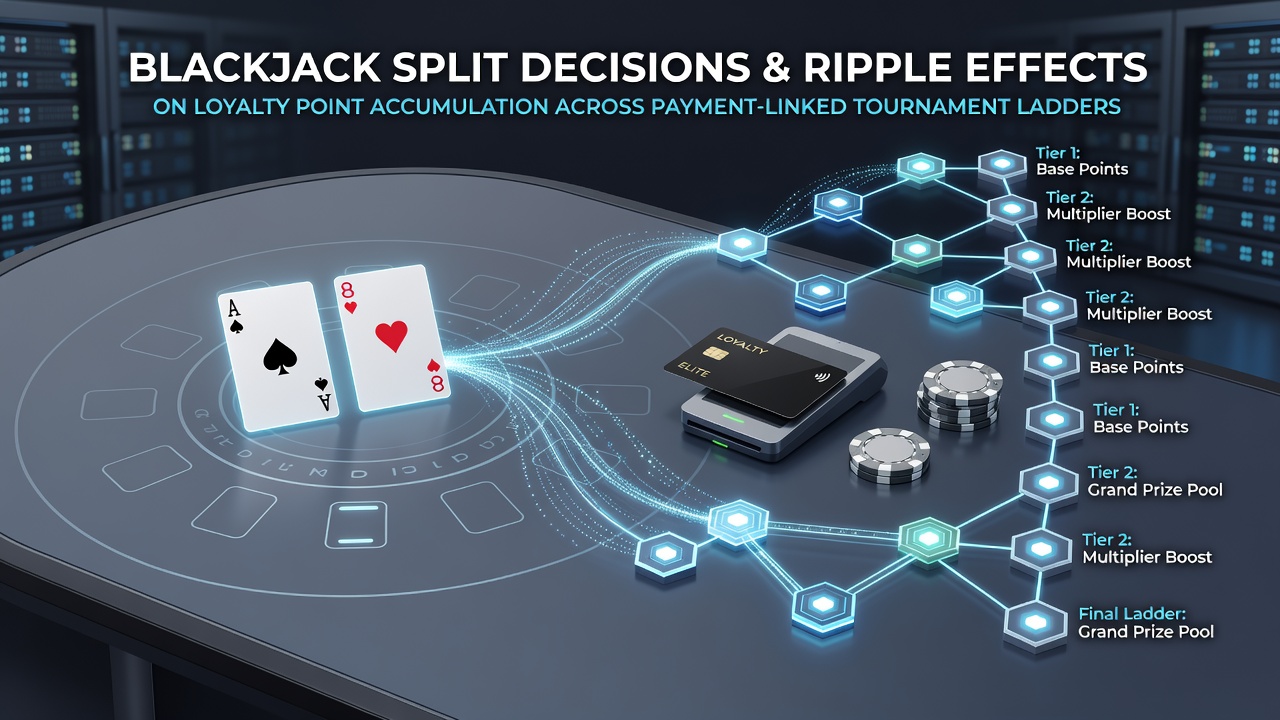
Blackjack split decisions occur when players receive matching cards and choose to divide them into separate hands, each requiring an additional wager equal to the original bet; this mechanic directly alters the total amount wagered during a round and therefore influences how loyalty points accrue in systems tied to payment processing within tournament ladders. Observers note that operators calculate loyalty points based on cumulative wagers, so a split can double the points earned from that particular round while also extending the duration of play and the number of decisions made. Data from industry tracking shows that players who split pairs such as eights or aces often see their point totals rise faster because each new hand contributes independently to the running total used for ladder progression.
Mechanics of Splitting and Point Calculation
Payment-linked tournament ladders connect deposit activity to point accumulation through automated systems that record every wager processed via approved methods, and splitting hands increases the wager volume recorded in a single round without requiring additional deposits. Researchers at academic institutions have documented that split decisions multiply the base bet across multiple hands, which in turn multiplies the loyalty points awarded per hand resolved; this multiplication effect becomes pronounced in ladders where points determine advancement to higher tiers that unlock bonus multipliers or entry into exclusive events. Those who study these systems find that the timing of splits relative to payment processing windows can shift point crediting dates, particularly when tournaments reset monthly rankings on fixed schedules.
Effects Across Multiple Ladder Stages
Early ladder stages award modest points per wager while later stages apply progressive multipliers, so a split made during a high-multiplier phase generates substantially more points than the same split executed earlier; this creates ripple effects because players who reach advanced stages through consistent splitting maintain momentum into subsequent periods. Figures from gaming association reports indicate that split frequency correlates with faster ladder climbs when payment methods process wagers instantly, allowing points to update in real time and reflect in current rankings. Yet the same reports note that slower payment confirmations can delay point posting, which occasionally causes temporary discrepancies between actual wagers placed and visible ladder positions.
One documented case involved a series of tournaments where participants using instant-deposit options split pairs more aggressively and accumulated enough points to skip intermediate rungs, whereas those relying on batch-processed payments experienced delayed recognition of their increased wager totals. This pattern appears across multiple operator platforms because the underlying algorithms treat each split hand as a separate betting event once the additional wager clears through the payment gateway.
Payment Method Interactions and October 2026 Developments
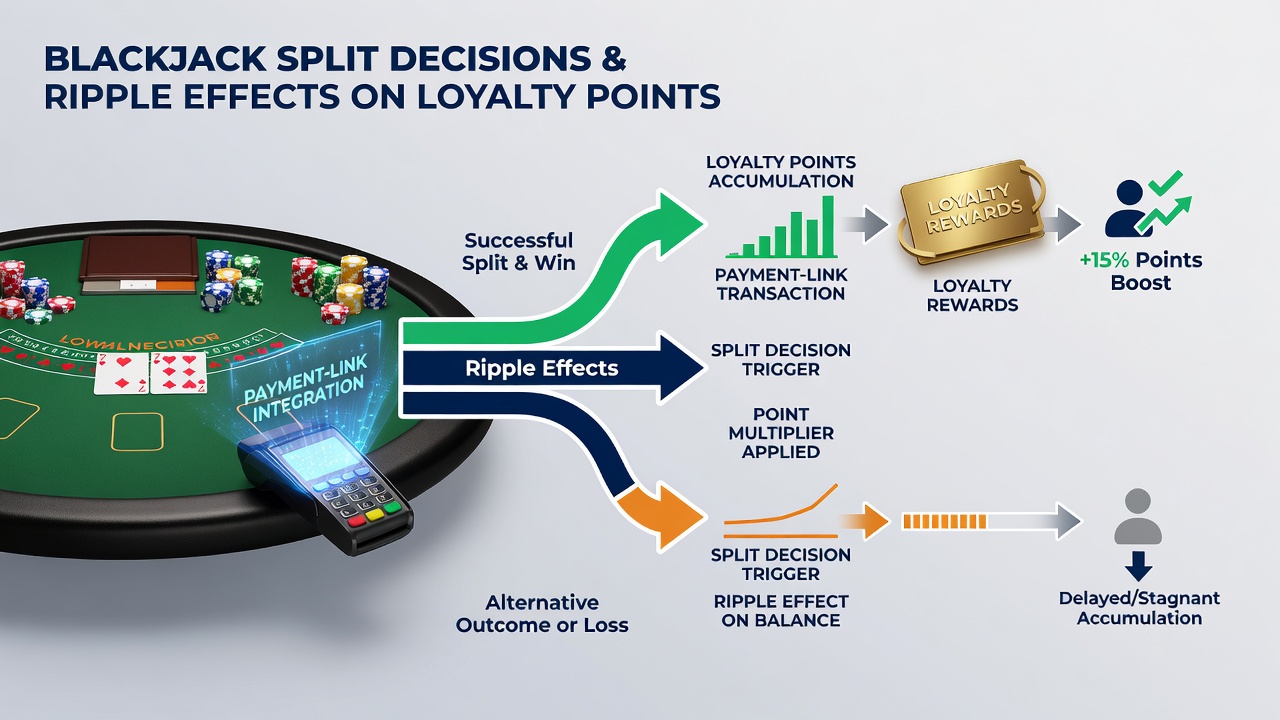
Payment methods vary in speed and fee structure, which affects how quickly split wagers register for point purposes; faster methods such as certain e-wallets allow splits to contribute to point totals within the same session, while card-based options may batch transactions overnight. In October 2026 several North American regulatory frameworks introduced standardized reporting intervals for money service businesses that handle casino payments, requiring operators to reconcile wager data within shorter windows and thereby reducing delays in loyalty point updates for split decisions. These changes align reporting requirements across jurisdictions and make it easier for tournament systems to reflect accurate cumulative wagers when players execute multiple splits in rapid succession.
Industry organizations have published guidelines recommending that operators adjust their point-calculation engines to account for the doubled wager volume created by splits, ensuring that ladder positions remain consistent even when payment processing encounters brief interruptions. The guidelines emphasize transparency in how each hand, including split hands, maps to point awards so participants can predict their progression more reliably.
Strategic Considerations for Point Maximization
Players who track both basic strategy tables and loyalty program rules often decide whether to split based on the expected point return rather than solely on the hand's mathematical expectation; this dual focus emerges because certain pairs yield higher point multipliers when split during promotional periods tied to specific payment methods. Data indicates that splitting low-value pairs during bonus-point events can accelerate ladder movement more efficiently than holding the pair and playing a single hand, although the risk of additional losses remains unchanged. Observers have recorded instances where participants coordinated split timing with deposit bonuses to compound both immediate point gains and long-term ladder advancement.
Academic studies on player behavior in loyalty programs reveal that individuals who split frequently tend to maintain higher average wager volumes across sessions, which compounds over multiple tournament cycles and produces measurable differences in final rankings. These patterns hold across regions where operators link payments directly to point ledgers without manual intervention.
Conclusion
Split decisions in blackjack therefore function as multipliers within payment-linked tournament ladders because each additional hand increases recorded wagers and subsequent loyalty points. Regulatory updates scheduled for October 2026 further standardize how these wagers translate into points across different payment channels, reducing friction for players who rely on rapid point accumulation. Operators continue to refine their systems to capture split activity accurately, while participants who understand the interaction between hand mechanics and point formulas position themselves for steadier progression through the ladder structure.