Blackjack's Digital Chain Reactions: Free Play Foundations Leading to Tournament Qualifications via Instant Payment Systems and Loyalty Escalations
Casey Günther · Jun 23, 2026
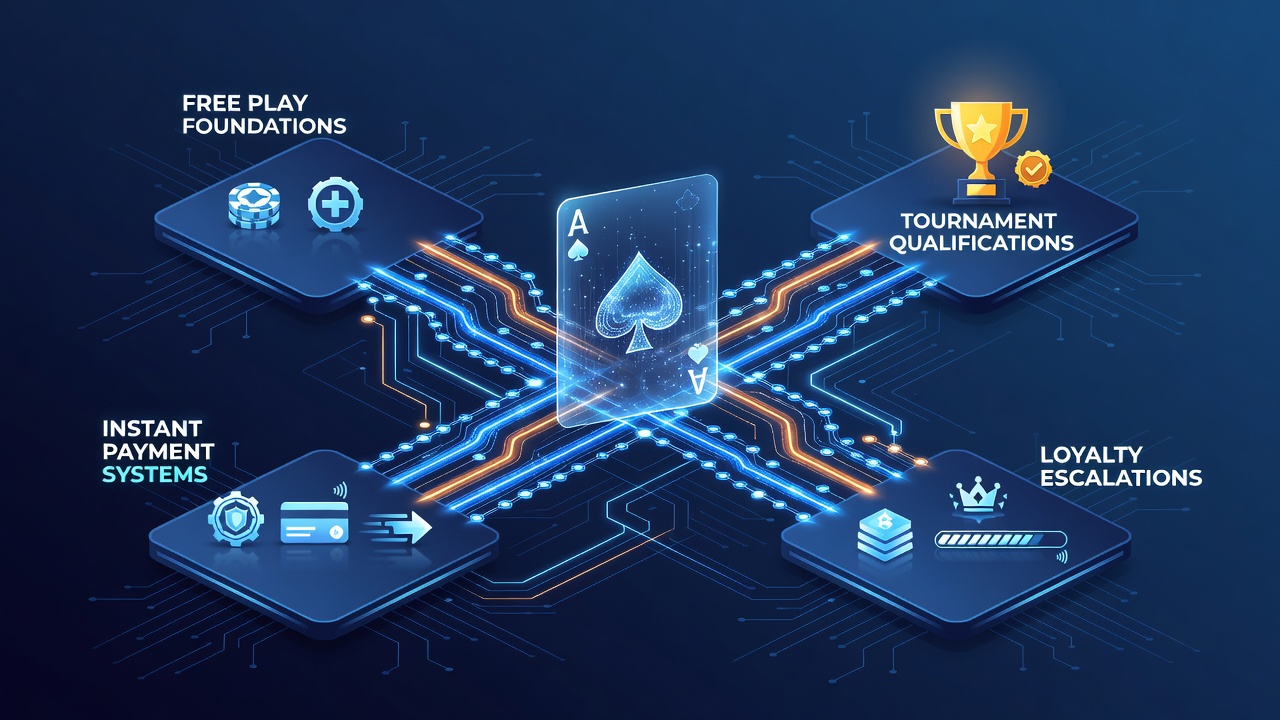
Blackjack's Digital Chain Reactions: Free Play Foundations Leading to Tournament Qualifications via Instant Payment Systems and Loyalty Escalations
Online blackjack platforms operate through interconnected digital systems where free play sessions serve as entry points that feed into structured progression pathways, and these pathways rely on instant payment processing to accelerate movement toward competitive events. Players begin in demo environments that mirror live dealer tables, accumulating performance metrics without financial risk, while the same platforms track these activities to determine eligibility for paid tournaments.
Mechanics of Free Play Integration
Free play modes on digital blackjack sites replicate standard rules including dealer hit patterns on soft 17 and options for splitting pairs, yet they record session data such as average bet sizing and decision accuracy that later influence qualification algorithms. Observers note that platforms convert these recorded statistics into points within loyalty frameworks, and the conversion happens automatically once a player completes a set number of hands. Research from academic studies on player behavior indicates that consistent demo performance often correlates with higher retention rates when users transition to real-money environments through instant deposit features.
Instant payment systems play a central role because they eliminate processing delays that once separated practice from competition. E-wallet transfers and bank-integrated solutions complete authorization in seconds, allowing qualified players to fund accounts and enter tournaments without waiting periods that previously disrupted momentum. Data from the Nevada Gaming Control Board shows increased participation in digital table games following the adoption of faster transaction protocols across multiple operators.
Loyalty Escalation Pathways
Loyalty programs escalate through tiered structures where free play contributions combine with real-money activity to unlock higher status levels, and each level grants priority access to tournament brackets. Points earned during demo rounds carry forward when players activate accounts via instant payments, creating a continuous record that rewards early engagement. Those who've examined these systems report that escalations typically occur after thresholds of 500 to 2000 hands, depending on platform specifications, with VIP invitations issued automatically to top performers.
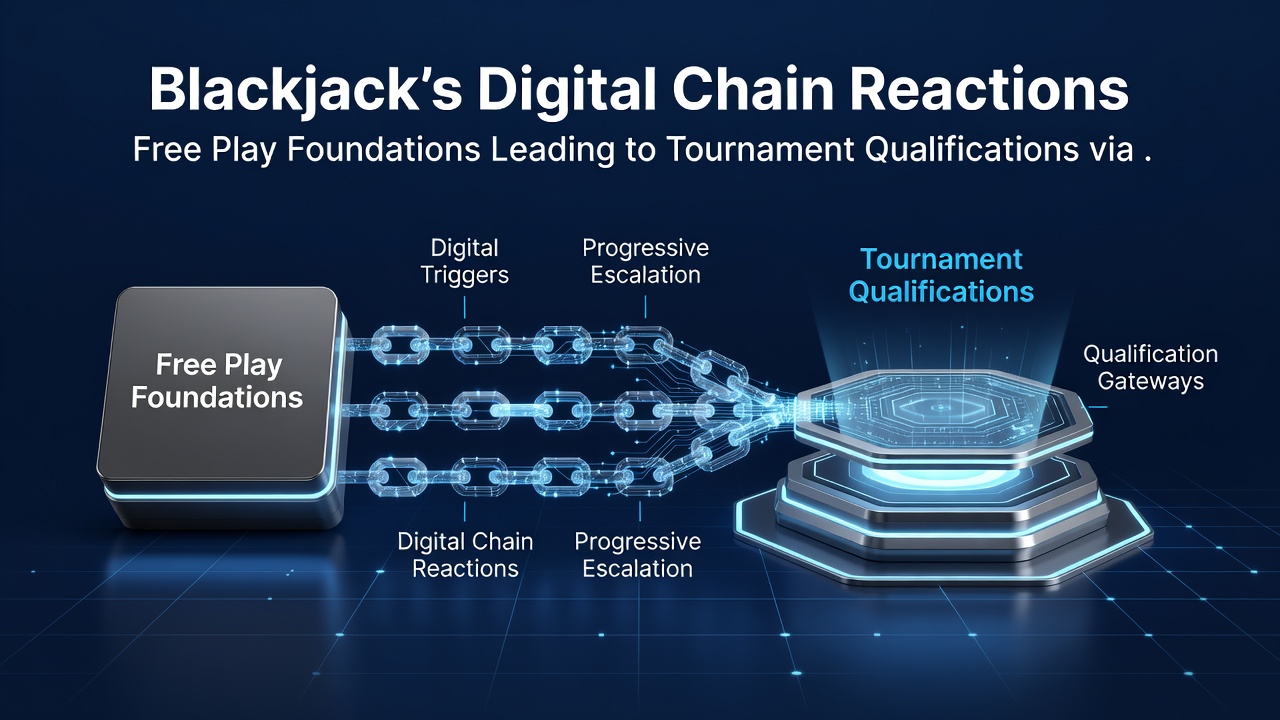
June 2026 marks the scheduled rollout of expanded tournament calendars on several major platforms, where loyalty escalations will determine entry to events featuring live dealers streamed to mobile devices. These calendars incorporate qualification tracks that begin with free play leaderboards and advance through verified deposits processed in real time. Industry reports from the Canadian Gaming Association highlight similar models already operating in regulated markets, where loyalty metrics directly feed tournament seeding processes.
Payment Speed and Tournament Access
Transaction velocity affects how quickly players move between stages because instant systems allow same-session qualification after meeting performance criteria. When deposits clear immediately, players avoid losing streaks of activity that might drop them from leaderboards, and this continuity strengthens the chain reaction from foundational practice to competitive entry. Figures from gaming association analyses reveal that platforms offering sub-10-second authorization see higher conversion rates from free to paid tournament participants compared with slower alternatives.
Examples from operational sites illustrate the process clearly: a user completes 300 hands in free mode, reaches a qualifying score, then uses an instant e-wallet to deposit the minimum stake, and the system automatically registers them for the next available bracket. Such sequences rely on backend integration between practice modules, payment gateways, and loyalty databases, ensuring data flows without manual intervention.
Regional Regulatory Context
Regulatory frameworks in multiple jurisdictions shape how these digital reactions function, with licensing requirements mandating transparent tracking of player progression from free play through payments and into events. In regions outside the UK, authorities such as those in New Jersey and Ontario enforce standards that verify loyalty escalations do not create unfair advantages, and operators must publish clear rules on how demo performance translates to tournament eligibility. Reports from the International Center for Gaming Regulation document ongoing reviews of these mechanisms to maintain integrity across evolving payment technologies.
Conclusion
The interconnected elements of free play foundations, instant payment systems, and loyalty escalations form measurable pathways in digital blackjack environments, and these pathways continue to expand with scheduled developments in 2026. Data from regulatory bodies and industry associations confirm that performance tracking during practice directly supports qualification processes when supported by rapid transaction capabilities. Platforms maintain these systems to sustain player engagement across practice, deposit, and competitive phases without interruption.