Casino App Ecosystems: Connecting Blackjack Proficiency, Competitive Tournaments, and Player Rewards
Elena Jung · Jun 7, 2026
Casino App Ecosystems: Connecting Blackjack Proficiency, Competitive Tournaments, and Player Rewards
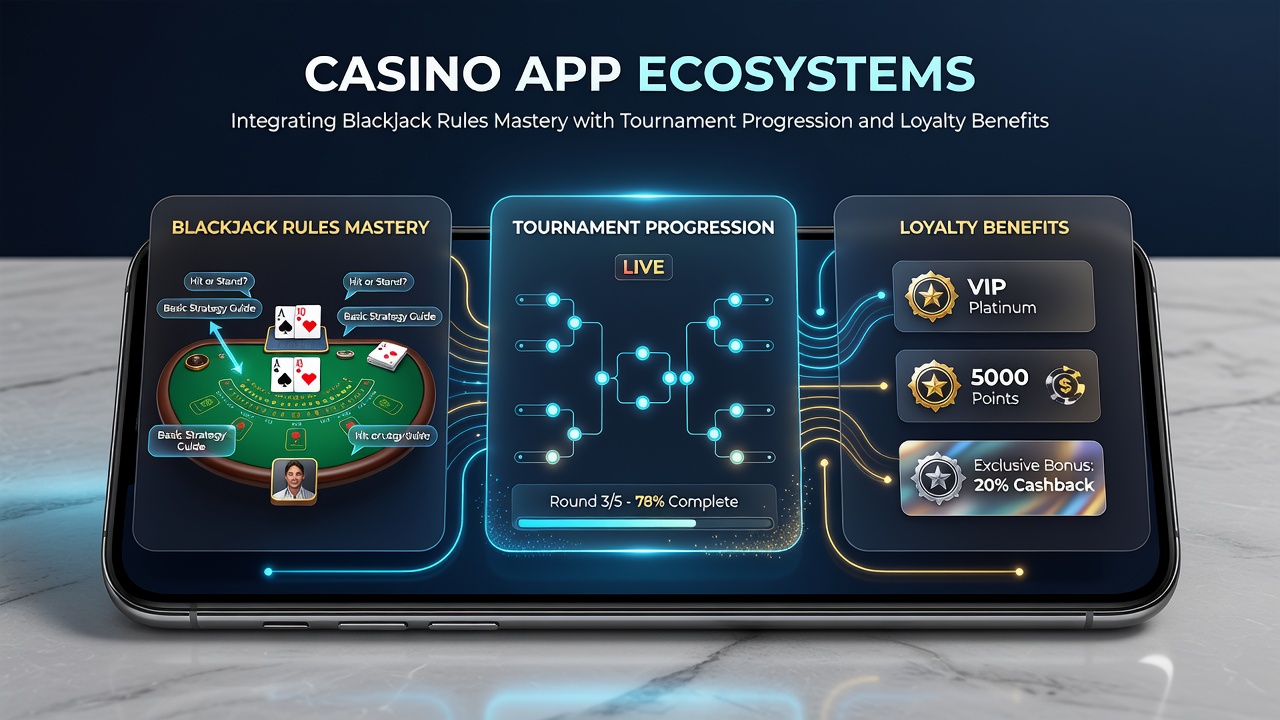
Modern casino applications combine multiple layers of functionality so users can study blackjack regulations while advancing through structured competitions and accumulating tiered rewards, and these platforms organize rules tutorials alongside real-time tournament tracking tools that sync with loyalty point systems. Observers note that developers design these features to operate within single interfaces where basic strategy charts appear during practice sessions, tournament brackets update automatically after each round, and reward balances increase based on participation metrics.
Blackjack Rules Integration in Mobile Platforms
Applications present detailed blackjack regulations through interactive modules that cover card values, dealer procedures, and variations such as surrender options or doubling restrictions, and users access these resources directly from the game lobby before entering cash tables or practice modes. Data from industry reports shows that platforms incorporate decision trees which highlight optimal plays for specific hand combinations, allowing progression from introductory lessons to advanced scenarios involving multi-deck shoes and side bets. Researchers at institutions like the University of Nevada, Reno have documented how embedded rule references reduce common errors during live sessions while maintaining compliance with regional standards.
Tournament Structures and Advancement Pathways
Tournaments within these ecosystems operate on scheduled brackets that require registration through the app, followed by progression based on chip accumulation or survival metrics across multiple rounds, and leaders receive notifications about upcoming stages along with qualification thresholds. Figures from gaming associations indicate that mobile formats often include satellite events feeding into larger prize pools, where participants move from free-entry qualifiers to paid buy-ins as their recorded performance improves. Those who advance typically encounter escalating blind structures and time limits that test both rule knowledge and bankroll management simultaneously.
Linking Rules Mastery to Competitive Play
Developers connect rule-learning tools directly to tournament interfaces so that strategy prompts remain available during early rounds, yet they deactivate in later stages to simulate standard conditions, and this gradual shift encourages players to internalize concepts before facing higher-stakes opponents. Evidence from platform analytics reveals higher retention rates among users who complete rule modules prior to tournament entry compared with those who skip preparatory content.
Loyalty Frameworks and Reward Accumulation
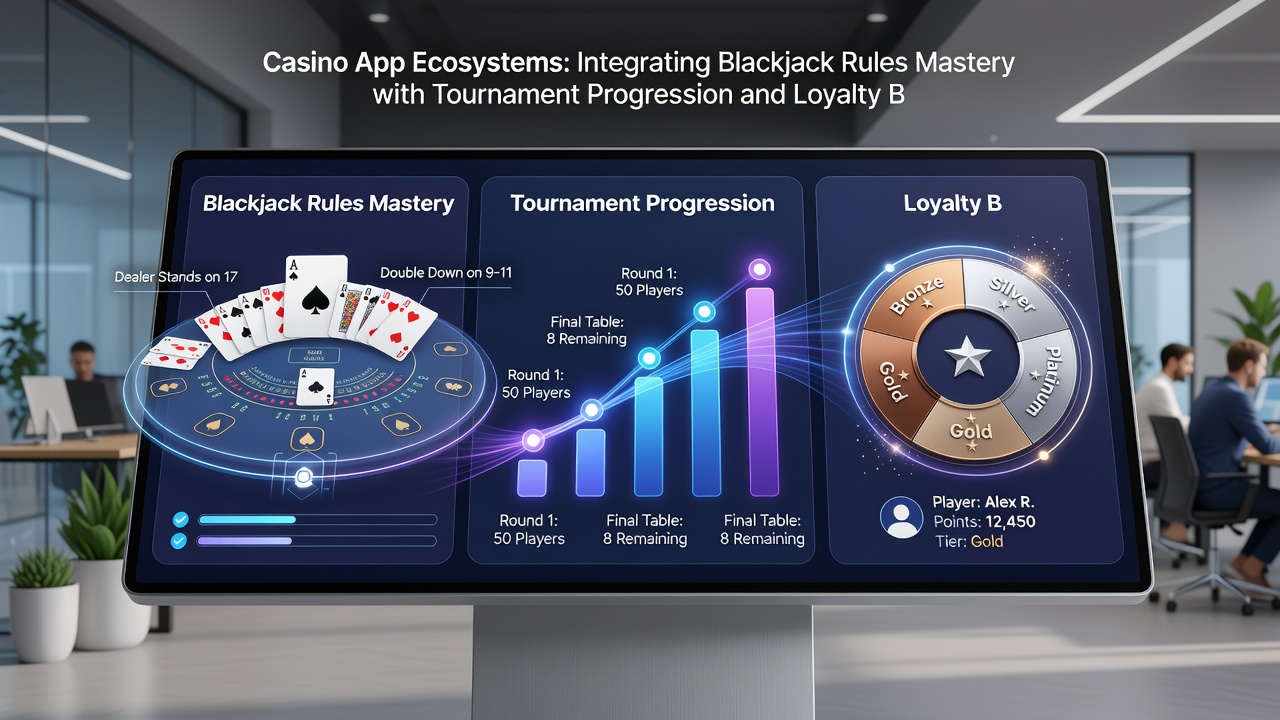
Loyalty programs track activity across blackjack sessions and tournament entries by awarding points that convert into credits, merchandise, or exclusive event access, and these systems often apply multipliers during promotional windows tied to specific game types. According to reports from the Australian Gambling Research Centre, tiered structures reward consistent participation with benefits such as reduced rake in cash games or priority seating in live dealer events, while data shows that integrated apps calculate points in real time to provide immediate feedback on progress toward the next level. Players who combine rule study with tournament results frequently accelerate their advancement through these hierarchies because bonus multipliers apply to both educational milestones and competitive finishes.
Interconnected Features Across Ecosystems
Platforms synchronize the three elements so that blackjack rule completion unlocks tournament entry bonuses, and accumulated loyalty points can offset buy-in fees for subsequent competitions, creating feedback loops where mastery supports progression which in turn generates additional rewards. Observers note that notifications prompt users to review specific rules before scheduled events, while post-tournament summaries display point earnings alongside performance statistics that reference particular rule applications during key hands. In June 2026 several major operators plan to introduce unified dashboards that display all three metrics on a single screen, aligning with updated technical standards from regulatory bodies in multiple jurisdictions.
Developers maintain these connections through backend algorithms that adjust reward rates based on overall ecosystem activity, ensuring that users who demonstrate improved rule application receive proportional recognition in both tournament rankings and loyalty tiers. Case examples from North American operators illustrate how cross-feature integration increases session duration without altering core payout structures.
Regulatory Context and Platform Updates
App operators align ecosystem features with requirements from bodies such as the Nevada Gaming Control Board and provincial authorities in Canada, incorporating audit trails that record rule tutorial completions alongside tournament results and point distributions. These records support compliance reporting while providing users with transparent histories of their activity across the integrated system. Platforms continue to refine interfaces ahead of scheduled technical reviews in mid-2026.
Conclusion
Casino applications organize blackjack regulation resources, tournament advancement mechanisms, and loyalty accumulation processes into unified environments that operate through shared data flows and notification systems. The resulting structure allows participants to move between educational content, competitive formats, and reward tracking within continuous sessions supported by automated tracking and periodic platform enhancements.