Charting Blackjack Player Routes from Demo Tables to VIP Events Through Streamlined Payments
Viktor Griffin · Aug 18, 2026
Charting Blackjack Player Routes from Demo Tables to VIP Events Through Streamlined Payments
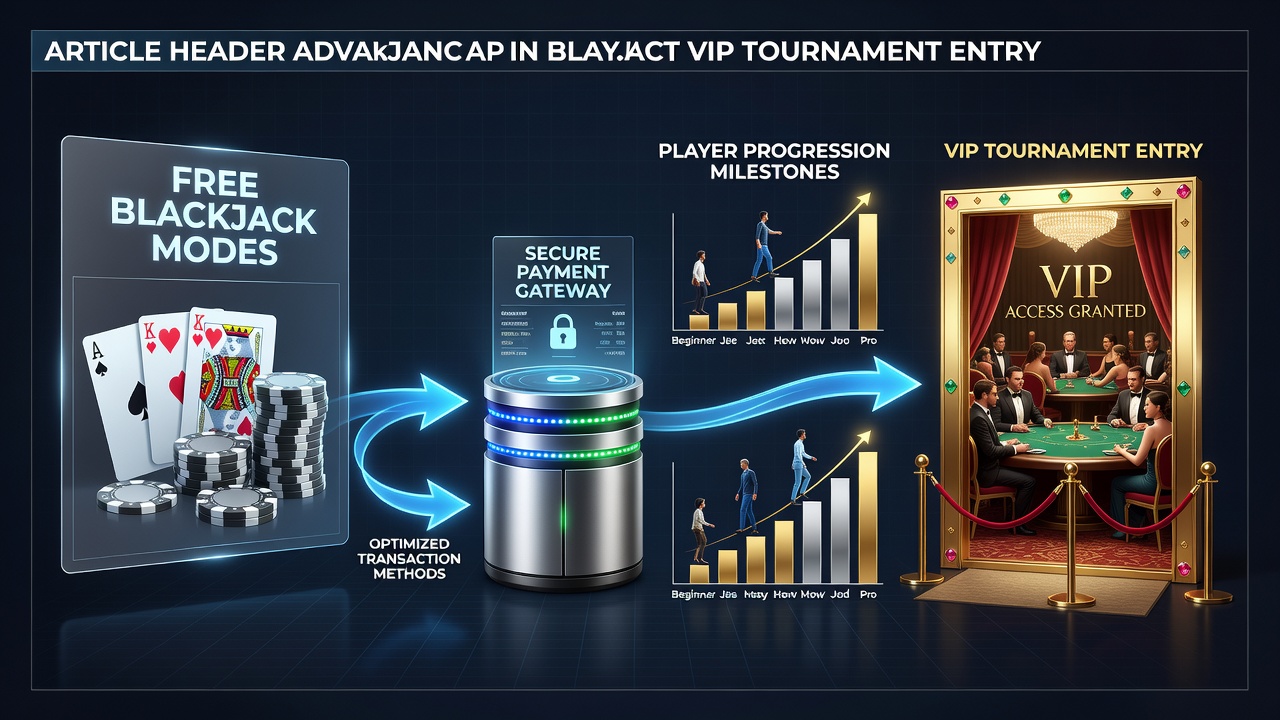
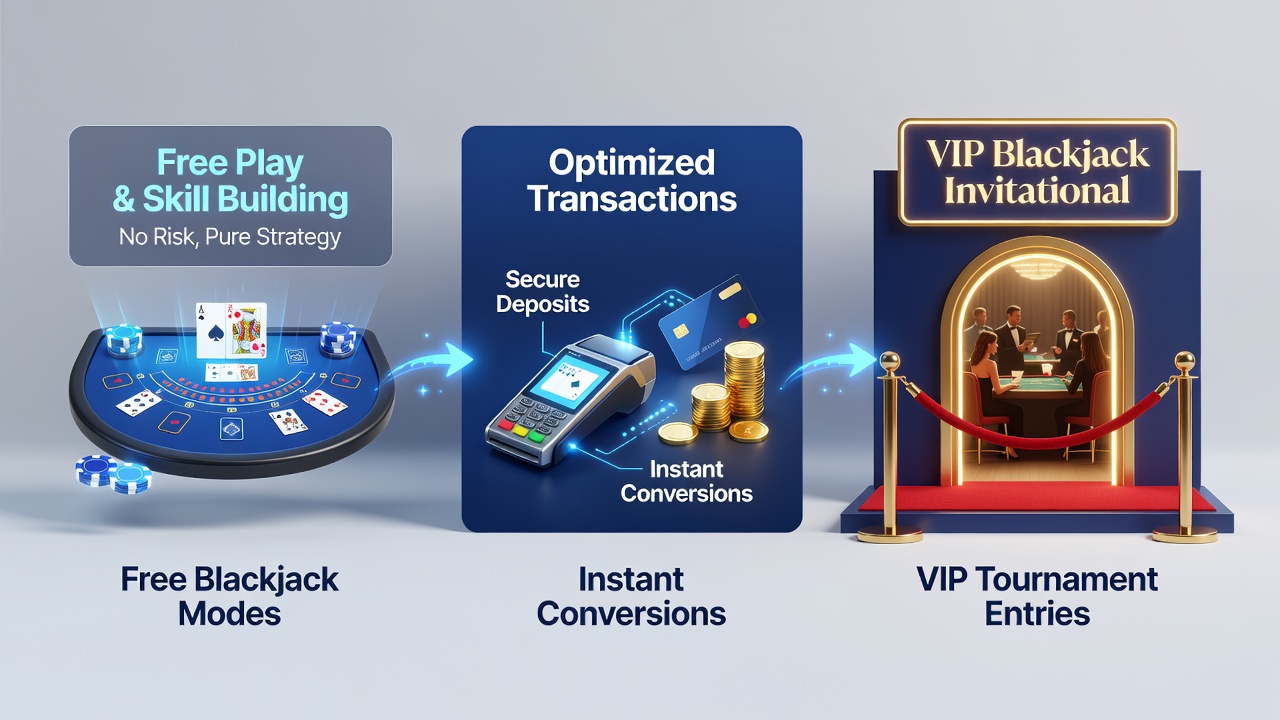
Players move through structured stages when advancing from free blackjack modes into paid VIP tournaments, and optimized transaction methods support each step along that sequence. Research from industry reports shows that many operators track these transitions using data on session frequency, deposit patterns, and tournament qualification metrics. Those patterns reveal how participants build experience in demo environments before committing funds through faster, lower-fee payment channels.
Initial Stages in Free Blackjack Environments
Free blackjack modes provide entry points where participants learn rules and test strategies without financial risk. Data indicates that sessions in these modes often precede real-money activity by several weeks or months. Observers note that operators record metrics such as hands played and decision accuracy during these periods, then use the information to segment users for targeted promotions. Studies from university gaming research centers have documented similar progressions across multiple jurisdictions, confirming that practice volume correlates with later qualification rates for entry-level paid events.
Payment integration begins early even in free-to-paid transitions. Participants who select instant deposit options during their first real-money sessions experience fewer interruptions, and transaction logs show higher retention when processing times stay under thirty seconds. Figures from North American casino associations illustrate that players using digital wallets complete these shifts at rates above those relying on traditional bank transfers.
Transaction Methods That Support Advancement
Optimized transaction systems reduce friction at each progression milestone. E-wallets and instant bank transfers appear most frequently in operator data because they allow immediate access to tournament buy-ins once qualification thresholds are met. European gaming trade groups report that average processing speeds for these methods improved by 25 percent between 2023 and 2025, enabling smoother movement from practice accounts into competitive formats.
Operators also apply tiered loyalty structures tied directly to payment history. Participants who maintain consistent deposit volumes through verified channels receive priority entry notifications for mid-level events. One documented case from an Australian regulatory review highlighted how transaction speed influenced qualification timing, with faster methods correlating to earlier tournament access during peak promotional periods.
Pathways into VIP Tournament Entries
VIP tournament entry typically requires accumulated play volume and verified financial activity. Payment optimization plays a documented role here because operators monitor deposit frequency and method reliability when assigning eligibility. Data from Canadian provincial gaming authorities shows that players using multi-factor verified accounts move into VIP brackets at higher percentages than those relying on single-channel options.
August 2026 marks the scheduled implementation of updated reporting standards in several North American markets, which will require clearer documentation of transaction pathways leading to high-value events. Industry analysts expect these changes to standardize how operators verify progression from free modes into VIP formats, particularly for cross-border participants. Transaction logs will need to demonstrate consistent patterns rather than isolated large transfers.
Role of Loyalty Systems and Payment Integration
Loyalty programs link free-mode performance data with real-money transaction records to determine VIP status. Participants who complete a set number of qualifying deposits within defined windows receive automatic tournament invitations. Research published by academic centers studying digital gaming economies indicates that integrated payment systems increase the accuracy of these linkages by reducing data gaps between practice and paid sessions.
Examples from European operators illustrate the process: a player completing 500 hands in free blackjack might receive a low-stakes tournament token, then advance further after three verified deposits through an optimized channel. The same sequence repeats at higher tiers, with transaction reliability serving as a key filter. Trade association reports confirm that such systems operate across multiple regions without requiring separate verification steps for each level.
Conclusion
Player progression from free blackjack modes to VIP tournament entries follows measurable patterns supported by transaction efficiency. Available data from regulatory bodies and industry studies across North America, Europe, and Australia documents the sequence without prescribing specific behaviors. As reporting requirements evolve in August 2026 and beyond, operators continue refining payment systems to maintain clear records of these transitions while participants move through established qualification stages.