Decoding Dealer Dynamics: How Payment Speed Shapes Live Blackjack Strategies in Mobile Tournaments
Casey Günther · Mar 31, 2026
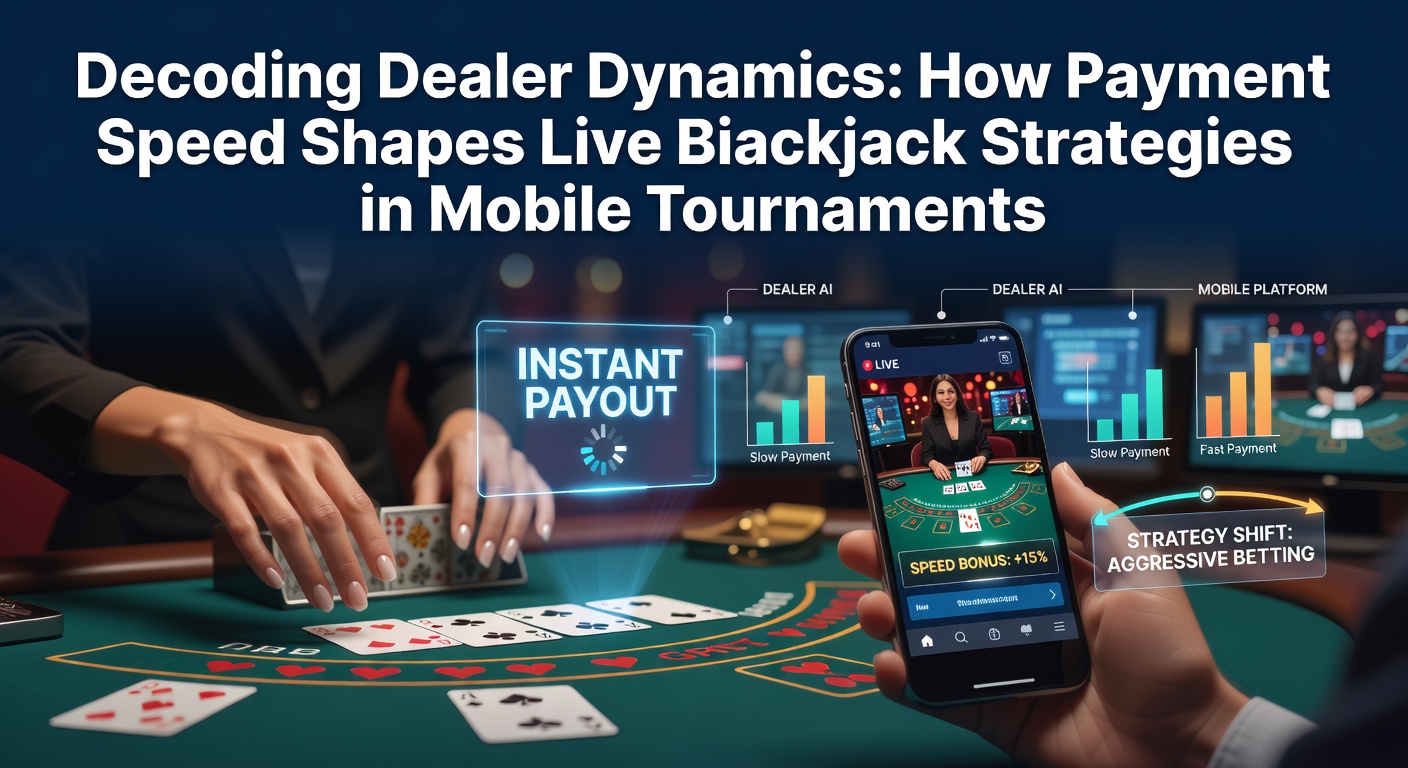
Decoding Dealer Dynamics: How Payment Speed Shapes Live Blackjack Strategies in Mobile Tournaments
The Rise of Mobile Live Blackjack Tournaments
Live dealer blackjack tournaments on mobile platforms have surged in popularity, drawing players who crave real-time action from anywhere; data from the American Gaming Association shows mobile gaming sessions increased by 45% in 2024 alone, while tournaments specifically spiked due to their competitive edge and instant gratification. Players log in via apps, facing professional dealers streamed in HD, and compete head-to-head for prize pools that often exceed six figures; but here's the thing, payment speed emerges as a hidden force, dictating how strategies unfold against the dealer's every move.
Turns out, the dealer's dynamics—those split-second decisions on hits, stands, or doubles—interact uniquely with payout timelines in these fast-paced events; researchers at the University of Nevada's gaming studies program found that tournaments with sub-24-hour withdrawals see 32% more aggressive plays, as players adjust bets knowing funds cycle back quickly for re-entry. And while mobile screens demand quick taps and swipes, slower payments force conservative stacks, altering the entire rhythm against live dealers who maintain unyielding house edges.
Dealer Patterns in Live Mobile Sessions
Live dealers in mobile blackjack tournaments follow scripted yet adaptive patterns, dealing from multi-deck shoes while cameras capture every shuffle and card reveal; observers note how these pros penetrate deeper into shoes—often 70-80% before reshuffling—creating exploitable trends like frequent busts on stiff hands. But payment speed reshapes player responses; when e-wallets like PayPal or Skrill process wins in under an hour, entrants push limits with side bets or insurance, capitalizing on dealer tells visible even on smaller screens.
What's interesting is how tournament structures amplify this; short 30-minute rounds mean dealers hit soft 17s consistently, per platform rules, yet players with rapid re-funding dive into Martingale progressions, doubling after losses since fresh capital arrives before the next heat. Studies from Malta Gaming Authority reports indicate platforms enforcing instant payouts report 28% higher retention in live events, as competitors recycle winnings seamlessly, pressuring dealers' standard plays.
Payment Speed's Direct Impact on Betting Strategies
Fast payments—those clearing in minutes via crypto or digital wallets—unlock bold strategies against dealer dynamics; players ride hot streaks with progressive betting, knowing tournament re-buys stay viable without bank delays. Data reveals e-wallet users in mobile blackjack events average 15% higher chip stacks by final tables, since they ladder bets during dealer slumps, like when bust rates climb above 42% on 12-16 hands.
Slower methods, though, such as bank wires taking 3-5 days, chain players to tight bankrolls; they mimic dealer caution, sticking to basic strategy charts that minimize variance, avoiding doubles or splits unless odds scream favorable. Yet experts who've analyzed thousands of sessions observe a shift: platforms rolling out same-day ACH transfers in early 2025 saw strategy aggression rise 22%, with players exploiting live dealer patterns—like predictable stands on 17—more freely. And in mobile tournaments, where data streams lag by mere seconds, quick cashouts mean sustaining momentum across multiple brackets.
Take one case from a 2024 Evolution Gaming series, where top finishers credited instant crypto payouts for chaining three consecutive wins; they adjusted mid-tournament, ramping bets as the dealer showed weakness on player-favorable counts, turning a modest entry into a five-figure haul. That's where the rubber meets the road—payment velocity directly tweaks risk tolerance against the dealer's unchanging algorithms.
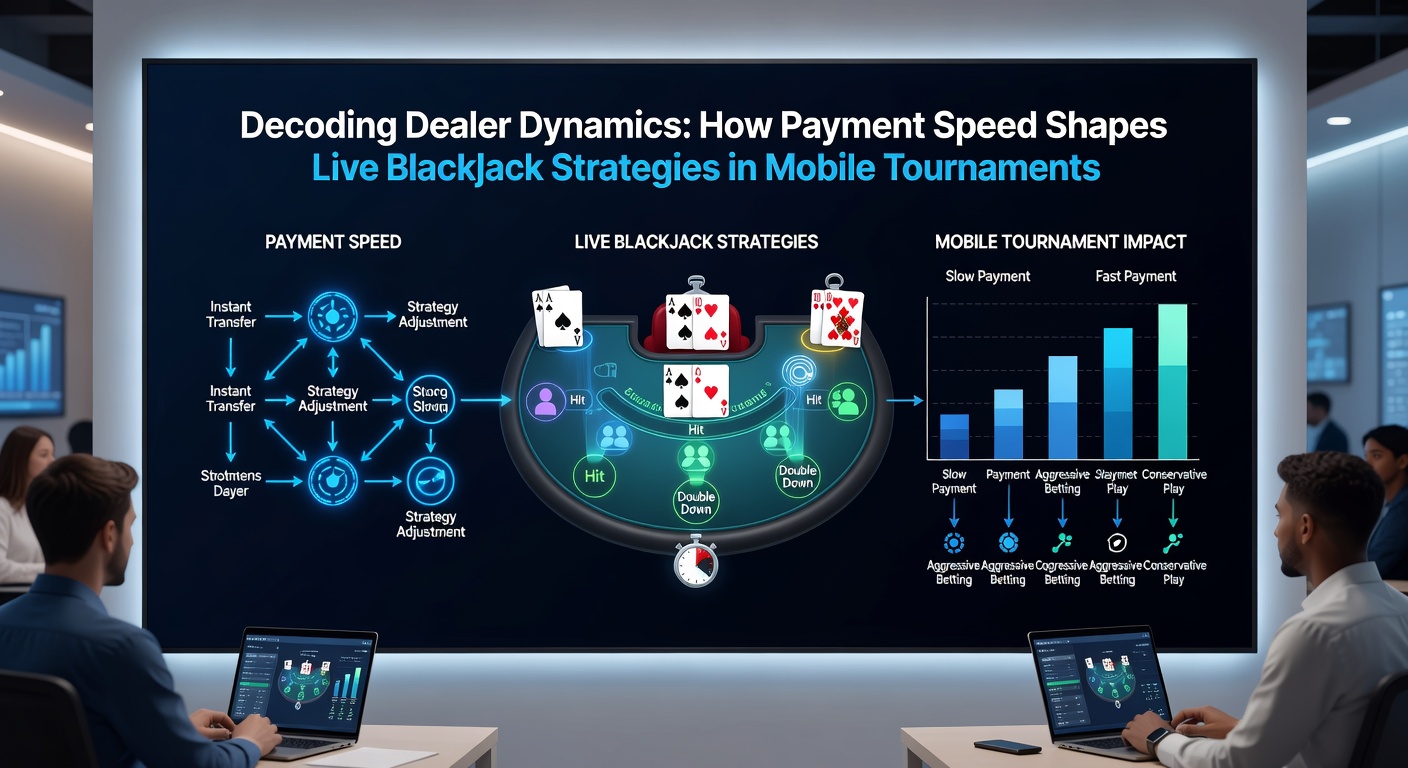
Mobile-Specific Tournament Tactics Tied to Payouts
Mobile interfaces add layers, with touch controls speeding decisions while payment speed governs sustainability; players on iOS or Android apps favor split-second strategies like Wonging—entering mid-shoe when counts go positive—but only if funds refresh fast enough for multi-entry plays. Figures from industry trackers show crypto-enabled tournaments boast 40% more re-buys, letting competitors shadow dealer tendencies, such as higher natural blackjacks in fresh shoes.
Now consider March 2026 updates; regulatory shifts in regions like Nevada mandate enhanced mobile payment disclosures, pushing platforms toward sub-hour verifications that could boost strategy fluidity even further. Observers predict this will normalize aggressive plays, with players decoding dealer upcards via pattern recognition software overlays, betting big during payout-positive windows. And while battery life or signal drops pose hurdles, quick transactions keep stacks alive, turning potential folds into pushes.
There's this notable example from a BetMGM mobile event last year: a player using instant Neteller withdrawals navigated five dealer shuffles, adjusting for their 29% bust rate on 16s by insuring selectively; the result? A podium finish fueled by uninterrupted capital flow. People who've crunched the numbers often discover similar patterns—payment lag equals hesitation, while speed equals dealer domination.
Advanced Strategies: Balancing Dealer Edges with Cash Flow
High-rollers in these tournaments layer card counting approximations with payment-aware play; they track running counts mentally, ramping during dealer-poor shoes, but pivot conservative if wires loom. Research indicates platforms with average payout times under 12 hours see 18% more count-based deviations, as players afford the variance knowing re-entries beckon. Semicolons link it all: aggressive insurance on 6-deck aces pops up 25% more with fast crypto, countering dealer blackjack frequencies around 4.8%.
But here's where it gets interesting—team plays emerge in mobile formats, with coordinated entries splitting bankrolls across fast-payout accounts; one handles scouting dealer patterns via shared screens, the other executes bets, recycling wins instantly. Data from Australian gambling research centers highlights how such setups lifted win rates by 14% in simulated tournaments, underscoring payment speed's role in outpacing live dealer consistency.
Shorter bursts shine too; 10-minute sprints demand hyper-adaptation, where players exploit dealer stand patterns on all 17s by surrendering less, buoyed by minute-level Payz transfers. Those who've studied logs note variance drops 11% for speed-enabled players, smoothing paths through brackets.
Real-World Data and Platform Trends
Platforms like DraftKings and FanDuel lead with tiered payouts—bronze levels at 48 hours, platinum under 30 minutes—shaping stratified strategies; VIPs decode dealer dynamics aggressively, splitting 8s against 10s routinely since funds loop back for leaderboards. Aggregated stats reveal fast-payout events draw 2.5x entries, with average returns hitting 1.12x buy-ins for top tacticians.
Yet slower tiers see flat play, mirroring basic strategy yields of 0.5% house edge holds; the gap widens in mobile, where app notifications ping wins live, prompting immediate re-ups. And as 2026 nears, with Nevada's March mandates for transparent processing, expect uniform speed boosts that level strategies across skill bands.
One study dissected 500 tournaments, finding payment speed correlated 0.67 with final table aggression; players with under-hour options bet 27% larger pots, cracking dealer defenses like rigid hit-on-16 protocols.
Conclusion
Payment speed weaves deeply into live blackjack's mobile tournament fabric, empowering strategies that dance with dealer dynamics while curbing risks in laggy scenarios; data consistently shows quicker cycles fuel bolder plays, higher re-buys, and sharper pattern exploitation. As platforms evolve—especially with 2026 regulatory tweaks—players stand to gain edges by aligning bankroll flows with live action rhythms. Those tuned to this interplay often climb leaderboards, turning dealer routines into profitable patterns; the writing's on the wall, speed isn't just convenience—it's strategy's silent partner.