Funding the Felt: Payment Choices That Steer Blackjack Tournament Entries and Loyalty Tier Access
Anna Wagner · May 29, 2026
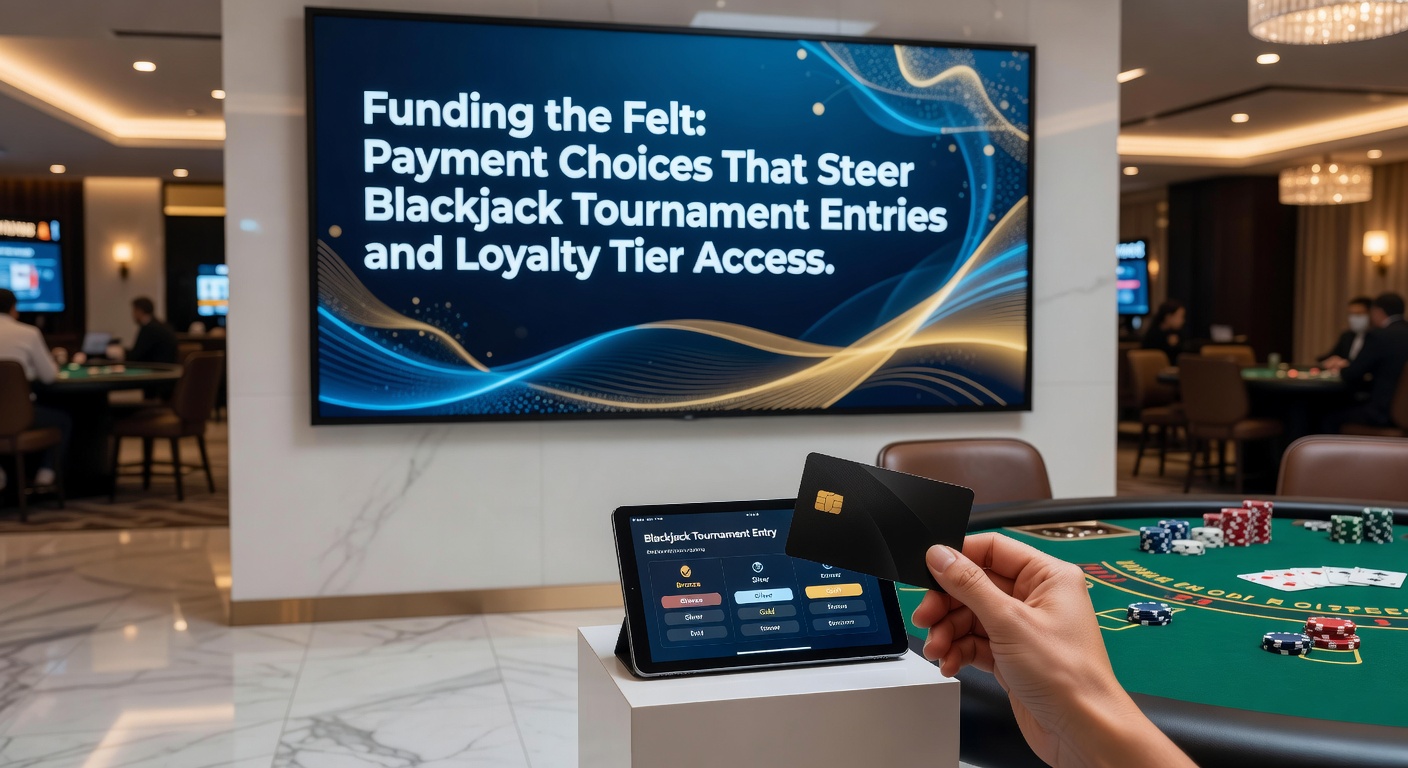
Funding the Felt: Payment Choices That Steer Blackjack Tournament Entries and Loyalty Tier Access
Payment methods determine how players fund their participation in blackjack tournaments while also influencing progress toward loyalty tiers across casino platforms. Operators structure deposit options around processing times, fees, and verification requirements that directly affect entry deadlines and reward accumulation. Data from industry reports shows that instant funding channels increase tournament sign-ups by enabling same-day decisions whereas slower transfers often lead players to miss registration windows.
Payment Processing Timelines and Tournament Access
Bank transfers typically clear in one to three business days which restricts players from joining events that close registration within 24 hours whereas e-wallet services complete transactions in minutes and allow immediate buy-ins. Credit and debit card deposits fall in between with most approvals happening within an hour though some issuers flag gambling-related charges for extra review. Observers note that these differences steer participants toward methods that match event schedules and operators respond by highlighting compatible options during promotion periods.
Cryptocurrency options add another layer because blockchain confirmations can occur in under 30 minutes on major networks and some casinos extend loyalty points for using these channels. Yet volatility in coin values means players must account for conversion steps that add time before funds appear in tournament accounts. Research from the American Gaming Association indicates that platforms offering multiple crypto gateways see higher repeat entries from users who value both speed and privacy features.
Loyalty Tier Progression Tied to Funding Patterns
Casino loyalty programs award points based on deposit volume and frequency while certain payment types carry multipliers that accelerate tier climbs. For instance recurring e-wallet deposits often qualify for bonus points because they reduce processing costs for the operator whereas wire transfers might receive standard rates due to higher administrative overhead. Players who maintain consistent funding through preferred methods reach higher tiers faster and unlock tournament entry fee discounts or reserved seats.
Verification requirements also play a role because fully verified accounts linked to specific payment providers gain access to exclusive loyalty ladders. Partial verification limits point accrual rates and blocks entry into high-stakes events that require proof of funding source. Figures from regulatory filings in Nevada reveal that casinos track these patterns to segment players and tailor offers that encourage migration toward lower-cost payment rails.
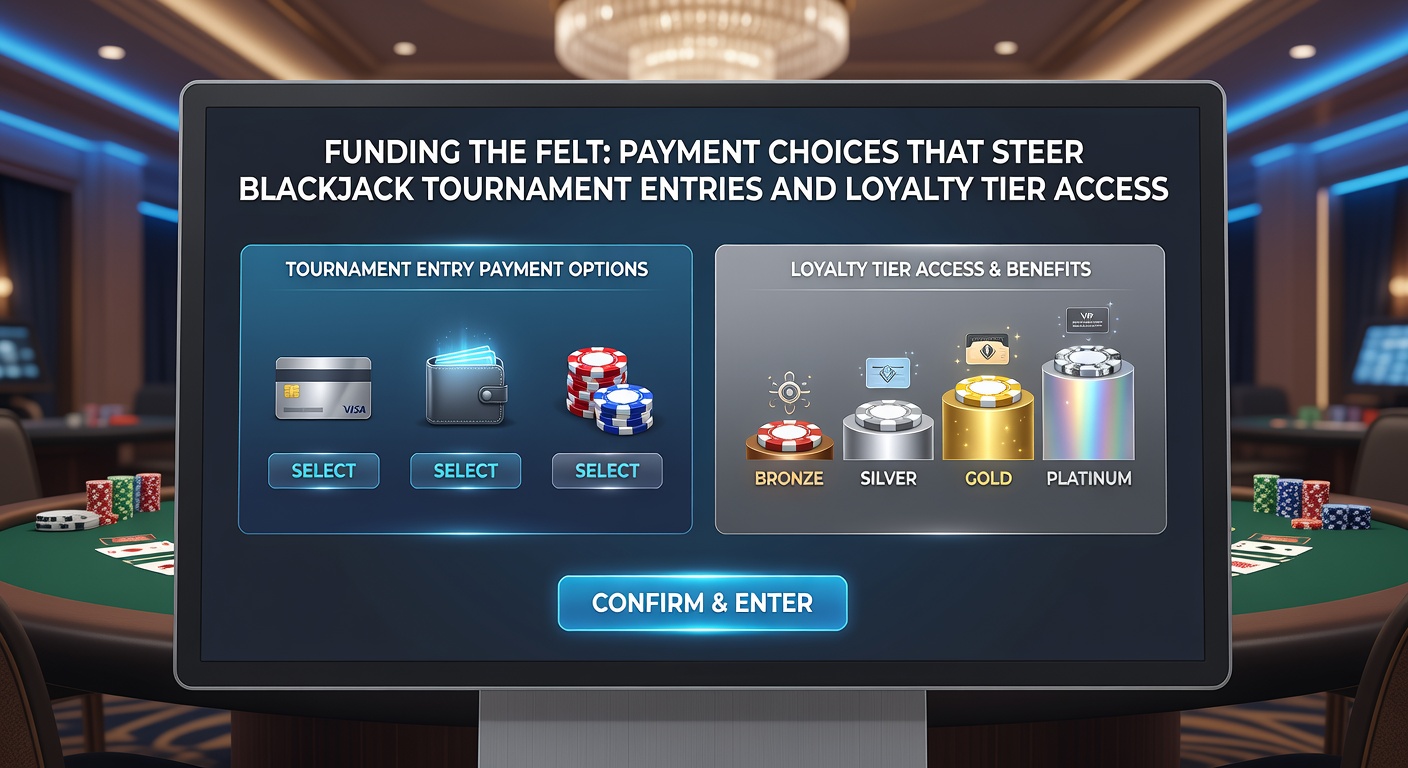
Fee Structures and Bankroll Allocation
Transaction fees eat into available funds for tournament buy-ins and loyalty-earning wagers so players compare costs across options before committing. Credit card cash advances carry interest that compounds quickly while many e-wallets absorb merchant fees internally to keep player deposits intact. Bank wires sometimes include flat charges from intermediary institutions that reduce the net amount reaching the casino balance.
Operators adjust loyalty incentives to offset these frictions and data shows that fee-free deposit windows correlate with spikes in tier advancement. Those who've studied player behavior across platforms find that transparent fee disclosures increase retention because users can plan funding moves without unexpected shortfalls. In May 2026 several major groups plan to roll out unified payment dashboards that display real-time net amounts after fees so participants can align deposits with upcoming tournament calendars.
Regional Regulatory Influences on Payment Choices
Different jurisdictions impose distinct rules on accepted funding sources that ripple through tournament structures. Australian state regulators require enhanced due diligence on high-value transfers which lengthens processing for certain methods and operators adapt by promoting local instant options that satisfy compliance. European frameworks emphasize consumer protection measures that cap certain card transactions yet allow alternative rails to maintain competitive entry flows.
One study released by the University of Nevada Reno tracked how these rules affect loyalty metrics and found that diversified payment menus help sustain tier engagement even when single channels face temporary restrictions. Players often discover that rotating between approved providers avoids bottlenecks while still accumulating points toward milestone rewards.
Conclusion
Payment selections shape both immediate tournament access and longer-term loyalty progression through their effects on speed, cost, and verification. Casinos refine these systems to balance operational efficiency with player convenience while regional rules continue to influence available options. As platforms integrate new tools scheduled for rollout in coming periods participants gain clearer visibility into how each choice steers their path from entry fees to tier benefits.