Mobile Blackjack Circuits: Integration of Demo Modes, Payment Selections, and Loyalty Frameworks in Tournament Environments
Elena Jung · Jul 14, 2026
Mobile Blackjack Circuits: Integration of Demo Modes, Payment Selections, and Loyalty Frameworks in Tournament Environments
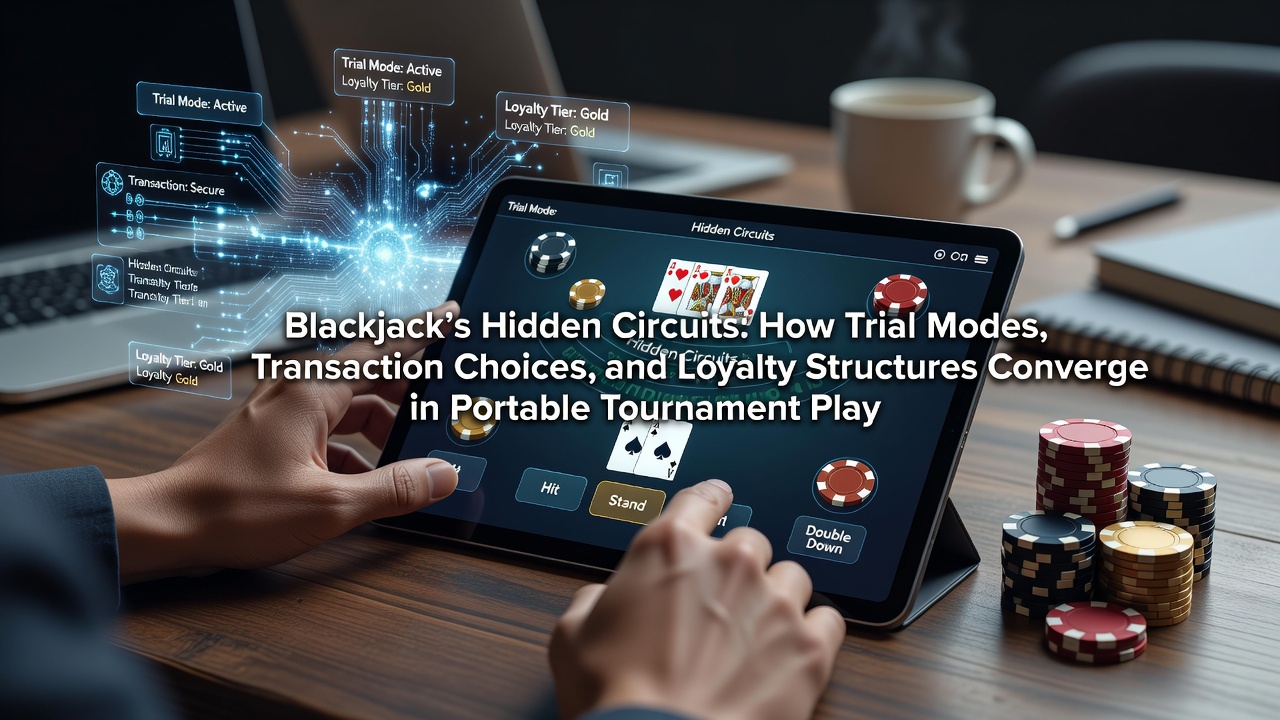
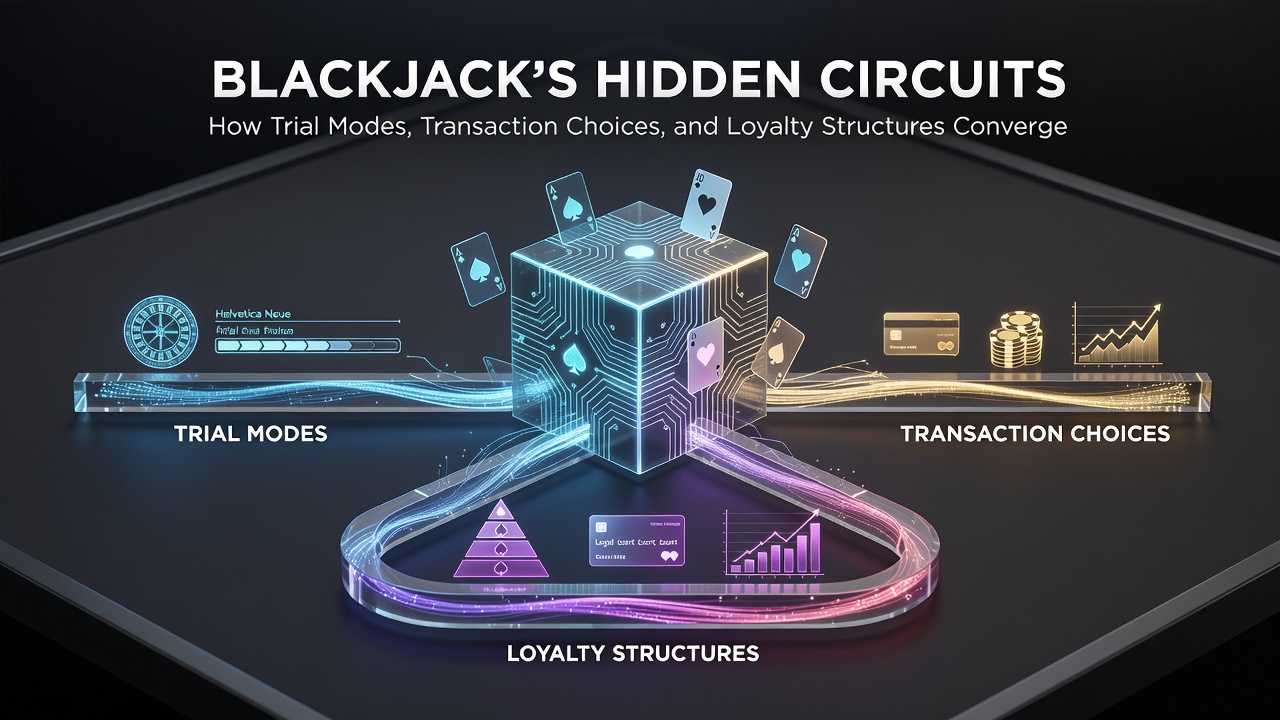
Portable tournament play in blackjack brings together trial modes, transaction choices, and loyalty structures through interconnected systems that operate on mobile platforms, where players access practice environments before committing funds and accumulate rewards based on participation levels.
Trial Modes as Entry Points for Tournament Readiness
Trial modes allow participants to engage with blackjack rules and tournament formats without financial risk, and these features appear in mobile applications that mirror live dealer setups while tracking performance metrics such as hand completion rates and decision accuracy. Research from the University of Nevada, Las Vegas indicates that users who complete at least 50 practice sessions before entering paid events show measurable improvements in adherence to basic strategy tables. Data from European Gaming and Betting Association reports further reveals that demo versions often include scaled-down tournament brackets, which help players understand time limits and elimination structures common in portable competitions.
Operators integrate these modes directly into tournament apps, so transitions from free play to real stakes occur within the same interface, and this setup reduces friction for those who test multiple table variations before selecting an entry level. Figures from industry analyses show that mobile users spend an average of 12 hours in trial environments prior to their first paid tournament registration, with patterns emerging around peak usage times during evening hours across different time zones.
Transaction Choices Influencing Participation Flow
Payment selections determine how quickly players can move from practice to active tournament slots, since instant deposit options align with mobile wallet integrations that process funds in under 30 seconds according to transaction logs from various platforms. Those who opt for e-wallet methods frequently maintain higher participation rates in multi-round events, whereas card-based transactions introduce occasional delays that affect bracket positioning. Observers note that loyalty points sometimes accrue based on deposit frequency rather than total amount, which creates incentives for smaller, repeated transactions during ongoing tournaments.
Regulatory developments scheduled for July 2026 include updates to machine compliance standards in certain jurisdictions, and these changes may require operators to adjust transaction verification processes for land-based and portable systems alike, potentially extending approval times for non-compliant payment gateways during that transition period. Tournament organizers have begun preparing interfaces that flag eligible transaction types in advance, allowing players to select methods that preserve eligibility for ongoing events.
Loyalty Structures Connecting Activity Across Modes
Loyalty frameworks track activity from trial sessions through paid tournaments by assigning tier points that unlock benefits such as reduced entry fees or exclusive table access, and these systems operate via centralized player accounts that persist across devices. A study published by the University of Nevada, Reno Center for Gaming Research documented how reward multipliers increase when players combine demo performance data with verified deposits, resulting in accelerated progression through loyalty levels. Mobile platforms often display real-time point balances during tournaments, which encourages continued engagement even after initial elimination rounds.
Transaction histories feed directly into these structures, where payment method consistency can trigger bonus multipliers, and operators apply these rules uniformly across regions to maintain system integrity. Data compiled by the European Gaming and Betting Association shows that loyalty program retention rates rise by 18 percent when trial modes feed into the same reward ecosystem as paid events, particularly in formats that emphasize portable access.
Convergence Patterns in Portable Tournament Settings
The interplay emerges when players use trial outcomes to inform deposit timing, which then activates loyalty tiers that grant advantages in subsequent brackets, and this cycle repeats across multiple events on the same application. Mobile tournament software records these sequences through backend analytics that adjust matchmaking based on combined practice and transaction profiles. Observers have identified cases where participants who leverage early loyalty bonuses from small transactions extend their tournament lifespan by accessing higher-stakes tables with better payout structures.
Systems handle these convergences through API connections between demo servers, payment processors, and reward databases, ensuring that progress carries forward without manual intervention. Tournament schedules often align with loyalty reset periods, which prompts players to complete qualifying transactions during specific windows to maximize point accumulation before new cycles begin.
Conclusion
These elements form operational circuits in mobile blackjack tournaments where trial modes build foundational skills, transaction choices control access speed, and loyalty structures provide ongoing incentives that sustain participation over time. Operators continue to refine these integrations ahead of upcoming regulatory shifts, maintaining compatibility across portable formats while tracking performance data that informs future updates.