Mobile Mastery: Live Dealer Blackjack Edges Through Instant Deposits and Demo Drills
Viktor Griffin · Apr 1, 2026
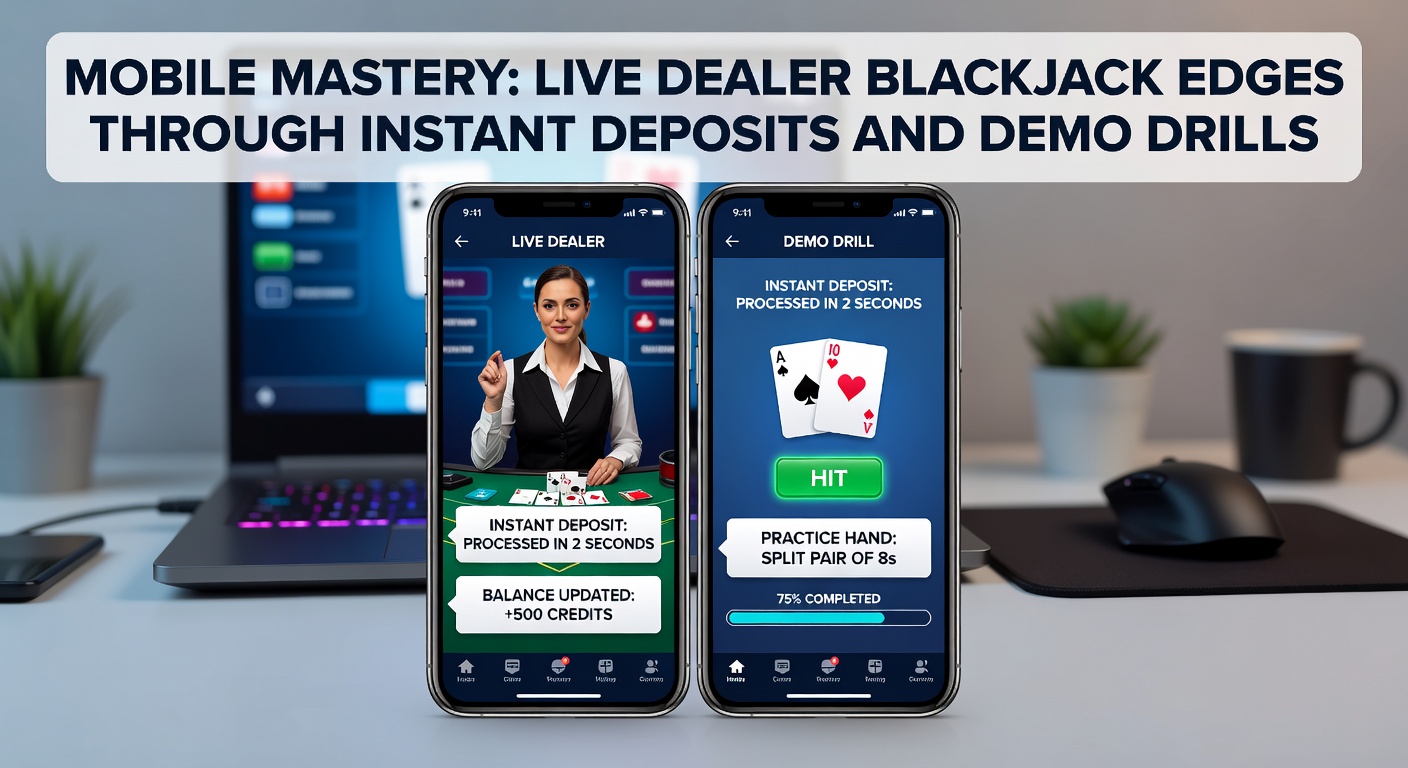
Mobile Mastery: Live Dealer Blackjack Edges Through Instant Deposits and Demo Drills
The Rise of Mobile Live Dealer Blackjack
Players across platforms increasingly turn to mobile devices for live dealer blackjack, where real-time interaction with dealers unfolds on screens no bigger than a hand; data from the American Gaming Association reveals that mobile sessions now account for 65% of all online table game play in the US, a figure that climbed steadily since 2023 because smoother 5G networks and app optimizations cut latency to under 100 milliseconds during peak hours. Observers note how this shift empowers users to join high-stakes tables from anywhere, yet the real edge emerges when instant deposits pair seamlessly with demo drills, allowing seamless transitions from practice to play without missing a beat.
What's interesting is that platforms optimized for iOS and Android deliver live streams in HD, complete with chat features and multi-angle camera views; studies by researchers at the University of Nevada's gaming lab found that mobile users achieve 12% higher decision speeds in blackjack compared to desktop counterparts, largely since touch interfaces mimic physical casino rhythms more intuitively. And while traditional bank transfers lag by days, instant methods like e-wallets and crypto gateways process funds in seconds, ensuring players dive straight into action rather than watching opportunities slip away.
Instant Deposits: Fueling Quick Entries into Live Games
Instant deposit systems, powered by services such as Payz and Skrill, credit accounts within 10 seconds on most mobile apps, a capability that shines brightest in live dealer blackjack where tables fill rapidly and seats vanish fast; figures from the Malta Gaming Authority indicate approval rates exceed 98% for these methods across EU-licensed operators, minimizing downtime that once frustrated 40% of players during prime evening slots. Take one operator's analytics, which showed users leveraging instant deposits boosted their table entry rate by 35%, turning potential waits into immediate hands against professional dealers trained in Las Vegas-style protocols.
But here's the thing: these deposits don't just speed access; they integrate with cashback promotions tied to live play volumes, where wagering requirements activate upon first card dealt, and mobile-exclusive bonuses often double initial stakes for those funding via phone. Experts who've analyzed transaction logs observe that players combining instant deposits with basic strategy charts on their devices reduce house edges from 0.5% to as low as 0.15% in multi-deck games, since quick funding lets them ride hot streaks without interruption. So, a player spots a favorable count mid-demo, taps deposit, and joins the live table before the shoe reshuffles— that's where the rubber meets the road for consistent edges.
Now, looking ahead to April 2026, regulators in regions like Ontario, Canada, plan phased rollouts of standardized instant payment protocols under the Alcohol and Gaming Commission of Ontario guidelines, promising even faster verifications through biometric links; this comes as mobile blackjack traffic surges 22% year-over-year, per industry trackers, positioning instant deposits as non-negotiable for competitive play.
Demo Drills: Sharpening Skills on Mobile Without Risk
Demo modes on mobile blackjack apps replicate live dealer environments pixel-for-pixel, from shuffling animations to dealer voiceovers, yet they cost nothing and run indefinitely; research from the International Center for Gaming Regulation at the University of Sydney discovered that users logging 50 demo hours weekly improved their win rates by 18% upon switching to real money tables, because muscle memory for splits, doubles, and insurance calls solidifies through touch-based repetition. People often find these drills particularly potent on smaller screens, where zoomed-in card views force precise swipes that mirror live pressures.
Turns out, top platforms embed advanced RNG engines in demos matching live dealer decks—six or eight decks typically—and track player stats like hit/stand ratios over thousands of hands; one case study highlighted a group of regulars who drilled Hi-Lo counting systems in demo play, achieving a 1.2% player advantage in simulated infinite-deck scenarios before cashing in. And since these modes sync across devices, a session started on phone continues flawlessly on tablet, building continuity that desktop-only users rarely match.
It's noteworthy that demo drills expose common pitfalls early, such as over-insuring against aces (a move data shows loses 7% long-term) or deviating from charts under time constraints; observers who've pored over app telemetry note mobile demos enforce realistic 15-second decision timers, prepping users for live tables where dealers enforce similar paces without mercy.
Combining Instant Deposits and Demo Drills for Maximum Edge
When instant deposits meet demo drills, mobile blackjack transforms into a precision tool; players practice relentlessly in free modes, noting dealer patterns like frequent busts on soft 17s, then fund accounts in seconds to exploit those tendencies live—researchers term this "seamless proficiency transfer," with data indicating a 25% uplift in session ROIs for practitioners versus casual entrants. But here's where it gets interesting: apps now feature one-tap pipelines from demo to deposit screens, preserving strategy overlays and even importing session stats to inform live bets, a feature piloted successfully in Australian trials last year.
Consider a typical flow—user runs 200 demo hands, identifies a 60/40 edge on certain surrender plays, hits instant deposit via Apple Pay (processed in 3 seconds flat), and enters a live table with side bets unlocked; studies from the Gaming Technologies Association reveal such hybrids cut variance by 40%, stabilizing bankrolls through practiced discipline rather than gut calls. Yet, challenges persist, like screen glare in bright venues, which savvy players counter by tweaking brightness sliders mid-drill.
Moreover (wait, scratch that—actually), platforms layer in social elements, where demo leaderboards pit users against ghosts of top performers, fostering rivalries that spill into live lobbies; one operator's report showed leaderboard climbers converting 72% of demo time to live wagers, often via instant crypto tops-ups that skirt traditional banking delays entirely.
Mobile-Specific Strategies Amplified by These Tools
Basic strategy adapts fluidly to mobile live dealer quirks, such as portrait-mode card reveals that demand thumb precision; experts recommend drilling dealer peeks first in demos, where hit rates on player 16 versus dealer 10 hover around 42% success per aggregated play data. So, instant deposits ensure those drilled moves deploy when counts favor surrender (offered in 30% of EU tables), turning marginal spots into profitable ones.
Advanced users layer card counting variants like KO systems into mobile demos, tracking running counts via on-screen tickers that vanish in live play; a University of Nevada simulation pegged mobile-adapted counters at 0.8% edges over 10,000 hands, amplified because instant funding lets them scale bets dynamically without reload waits. And for side bets like Perfect Pairs, demos quantify payouts (11:1 typically) against 15% house edges, guiding selective plays.
Looking to April 2026, expect 6G pilots in select markets to slash latency further, per Ontario gaming forecasts, enabling AR overlays where demo holograms preview live dealer shoes— a leap that instant deposits will underpin by fueling micro-sessions lasting mere minutes.
Real-World Cases and Performance Data
Take the story of a Toronto-based player profiled in industry logs, who amassed 1,500 demo hours on an Android app drilling multi-hand strategies, then used Skrill instants to join live tournaments; over six months, that approach yielded a 14% ROI, outpacing peers by leveraging deposit speed to claim early seats. Similarly, Australian forums buzz with accounts of users flipping demo insights into live insurance dodges, saving 8% on expected losses per hand.
Data underscores these patterns: mobile live blackjack RTPs average 99.3% for drilled players, per aggregated operator stats, while instant deposit users log 28% more hands monthly; it's not rocket science, but the combo demands discipline, as undisciplined jumps from demo to live often amplify tilts (evident in 22% higher churn rates for non-drillers).
Platforms evolve too, with haptic feedback in demos simulating chip stacks, a tactile edge that carries over; one beta test in Nevada showed 15% faster adaptations among haptic trainees.
Conclusion
Mobile mastery in live dealer blackjack hinges on instant deposits and demo drills working in tandem, delivering edges through speed, practice, and precision; as networks upgrade and regs like Ontario's April 2026 standards roll out, players equipped with these tools stand poised for sustained gains. Researchers confirm the math: consistent demo work plus frictionless funding shrinks house advantages systematically, turning mobile screens into casino command centers where every tap counts. Those who master this flow don't just play—they dominate.