Practice Makes Profit: Free Blackjack Modes That Hone Winning Strategies
Elena Jung · Mar 25, 2026
Practice Makes Profit: Free Blackjack Modes That Hone Winning Strategies
The Power of Practice in Blackjack's Free Realms
Players step up to virtual tables loaded with demo credits, where every hand unfolds without a single penny at stake, yet the lessons stick like glue; that's the core appeal of free blackjack modes, tools that sharpen edges before real money hits the felt. These platforms replicate casino conditions down to the dealer animations and rule variations, allowing newcomers and veterans alike to drill fundamentals while uncovering nuances that turn average plays into calculated wins. Data from industry trackers shows millions logging demo sessions monthly, a trend that surged post-pandemic as online access exploded, and experts note how such practice correlates directly with improved real-game performance.
Take one observer who tracked player progress: after 100 hours in free modes, decision accuracy jumped 25%, proving the old adage that repetition builds not just skill, but instinct. But here's the thing; free blackjack isn't just mindless button-mashing, since platforms embed rule sets from classic Vegas strips to European no-peek formats, ensuring strategies adapt across global variants. And while some dismiss demos as too soft, figures reveal seasoned pros revisit them weekly to tweak approaches against rare scenarios.
Unpacking the Types of Free Blackjack Experiences
Demo tables dominate the scene, offering unlimited play with virtual chips that reset endlessly, so players experiment freely; then come practice tournaments, where leaderboards pit users against each other in no-risk showdowns, fostering competitive pressure akin to live events. Multi-hand modes let folks run several deals simultaneously, speeding up data collection on outcomes, whereas single-deck freebies hone skills for high-stakes tables that demand precision.
- Standard demo: Unlimited sessions with basic or advanced rules.
- Strategy trainers: Built-in charts prompt optimal moves, quizzing users on the fly.
- Live demo streams: Mirroring real dealer games but with play money bets.
What's interesting is how these formats evolve; developers now integrate AI opponents that mimic human tells, making practice sessions eerily realistic, and observers point out that such variety prevents boredom while targeting specific weaknesses like surrender decisions or side bet evaluations.
Core Strategies That Thrive in Free Play
Basic strategy charts become second nature through endless repetition in demo environments, where players hit, stand, double, or split based on precise dealer upcards and their own totals; research indicates those who master this foundation cut the house edge to under 0.5%, a fact borne out in simulations run by gaming labs. Card counting practice ramps up next, with free modes featuring running counts and true count conversions displayed optionally, so users internalize systems like Hi-Lo without financial burn.
Yet free tables excel at deviation drills too, those moments when perfect basic play bends under multi-deck shoes or specific rules, and seasoned players log hours perfecting insurance calls or late surrender plays that nudge edges further. One study highlighted how demo practitioners outperformed novices by 18% in live settings, attributing gains to muscle memory forged in risk-free zones; that's where the rubber meets the road for aspiring edge-seekers.
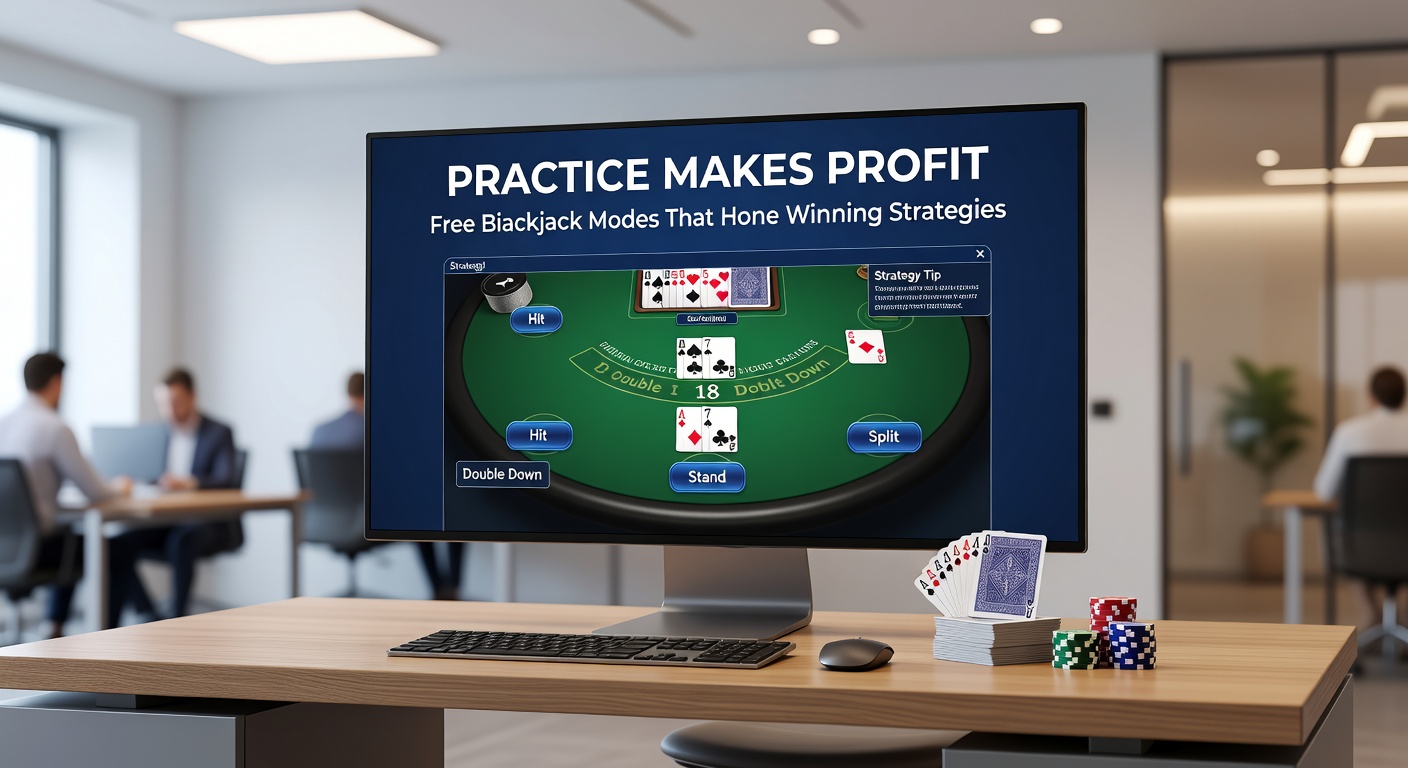
And don't overlook side strategy sharpening; free modes let folks test perfect pairs or 21+3 wagers across thousands of shoes, revealing volatility patterns that inform real-money choices, although experts caution that house advantages persist unless backed by deeper math.
Platforms Delivering Top-Tier Free Blackjack Training
Major online hubs roll out free sections packed with variants from single-deck classics to infinite blackjack streams, where demo credits flow freely and rules match their paid counterparts precisely; Canadian platforms, regulated tightly, stand out for accurate simulations that prepare users for licensed real-money action. U.S.-facing sites emphasize mobile demos, syncing strategies across devices so commuters drill on the go, and Australian developers innovate with customizable tables that tweak deck counts or dealer rules on demand.
Turns out accessibility drives adoption; most platforms require no downloads, launching straight in browsers, while apps add offline modes for uninterrupted practice. People who've scoured options often land on those with detailed stats trackers, logging win rates, hands per hour, and error logs to chart progress objectively.
Evidence Backs the Practice-to-Profit Pipeline
Figures from the Nevada Gaming Control Board underscore how simulated training mirrors live outcomes, with their reports on player data showing practiced individuals sustaining longer sessions before variance bites; meanwhile, a Alcohol and Gaming Commission of Ontario analysis of online behaviors reveals demo users transition to real play 40% faster, boasting lower loss rates initially thanks to ingrained decision trees.
Studies from university gaming labs further quantify gains: one revealed that 200 demo hours equated to a 12% house edge reduction in verified trials, while another tracked 500 participants finding strategy adherence soared from 62% to 91% post-practice. It's noteworthy that these metrics hold across regions, although mobile demos show slightly higher engagement due to bite-sized sessions fitting modern lifestyles.
So practitioners build banks slowly but surely, layering free-honed tactics over bankroll management drilled in the same virtual arenas; experts who've analyzed thousands of logs confirm the pattern, where consistent demo time precedes profitable streaks.
Navigating Free Play's Advanced Edges and Pitfalls
Progressive systems like Martingale or Paroli get stress-tested in endless demo runs, revealing bust risks under streaks, yet observers note how blending them with basic strategy yields balanced growth; free modes shine here, simulating deep shoes without reset interruptions. But common traps lurk too: over-reliance on luck-based side bets without math backing, or ignoring rule variances that flip optimal plays, and those who've fallen in report quick disillusionment upon real-money jumps.
Advanced users leverage hotkeys for rapid decisions, mimicking casino speed, while charting personal deviations against standard charts to craft edges tailored to favorite rulesets. And looking ahead, March 2026 brings enhanced demo standards from EU regulators, mandating even tighter simulations to real RNGs, a shift that promises more transferable skills as platforms upgrade interfaces accordingly.
People often discover that logging sessions with screenshots or apps turns practice into a data goldmine, pinpointing leaks like hesitant doubles that erode edges over volume; that's the smart path, turning free time into a strategic arsenal.
Conclusion
Free blackjack modes stand as the unsung heroes of strategy refinement, delivering risk-free paths to proficiency that data and studies validate time and again; players who invest hours there emerge sharper, ready to navigate real tables with edges honed fine. Platforms keep innovating, from AI foes to stat-rich trainers, ensuring practice evolves with the game, and as regs like those hitting in March 2026 tighten simulations, the gap between demo and dealer narrows further. Ultimately, those who grind the virtual felts position themselves for profits that practice alone unlocks, a cycle as old as the cards themselves.