Reward Accumulation Patterns: How Tier Thresholds Guide Live Dealer Selections in Digital Blackjack Applications
Casey Günther · Aug 25, 2026
Reward Accumulation Patterns: How Tier Thresholds Guide Live Dealer Selections in Digital Blackjack Applications
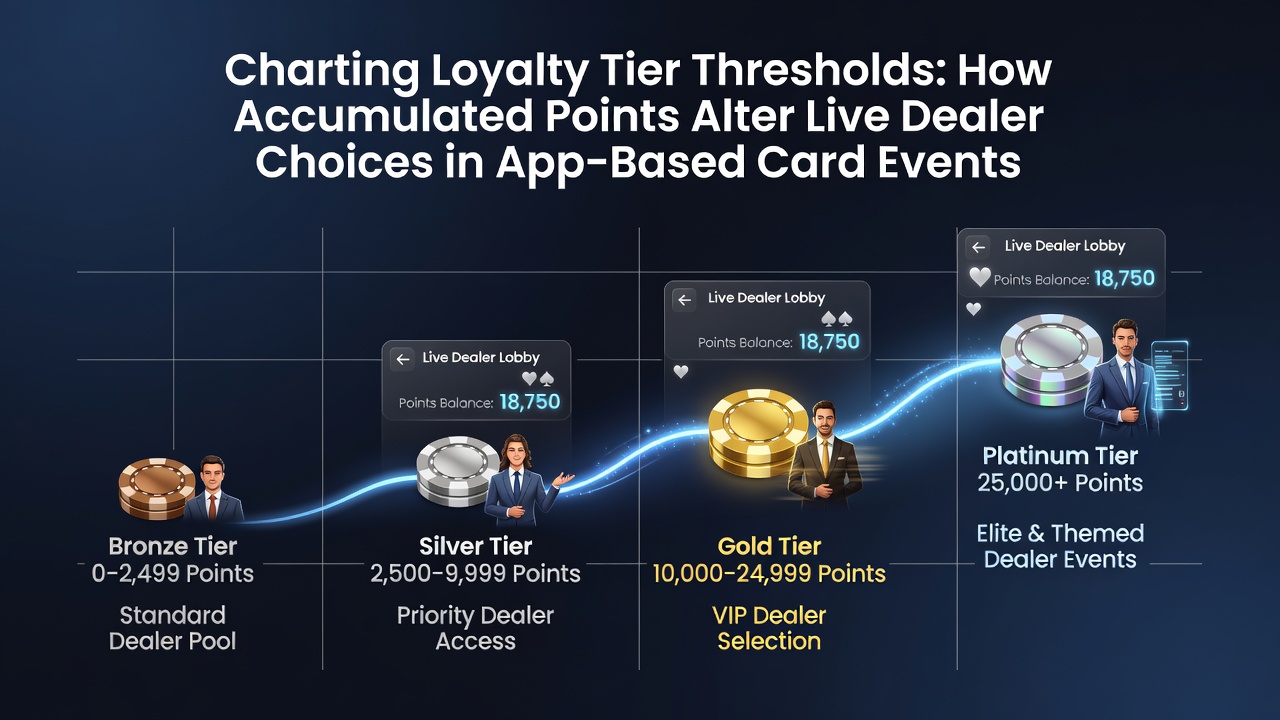
App-based card events have integrated loyalty programs where accumulated points directly determine access to specific live dealers during mobile tournaments and sessions. These systems track player activity through real-time data feeds, converting wagers and session durations into tiered rewards that unlock menu options for dealer selection. Data from industry reports shows participants reaching higher thresholds gain priority in choosing dealers with particular styles or experience levels.
Point Calculation Mechanisms in Mobile Platforms
Points accrue based on standardized formulas applied across participating apps, where each unit wagered contributes a fixed multiplier while bonuses apply for consecutive sessions or event completions. Observers note that many platforms reset monthly accumulation cycles yet retain lifetime totals for tier maintenance, and this structure encourages consistent engagement without requiring daily logins. Research indicates that players who maintain steady point inflows cross into elevated tiers faster when they combine regular play with promotional multipliers offered during peak hours.
Tier thresholds typically follow a progressive scale beginning with entry-level access at 1,000 points and advancing through intermediate brackets at 5,000, 15,000, and 50,000 points respectively. Those who study these patterns find that crossing each bracket activates additional dealer filters, such as language preferences, game speed settings, or table minimum adjustments that appear only after qualification. Evidence suggests the system records every transaction in centralized ledgers that sync across devices, allowing seamless tier recognition even when users switch phones mid-session.
Dealer Choice Alterations at Different Loyalty Levels
Once players surpass initial thresholds, app interfaces expand to include dealer profiles previously hidden from view, and this expansion alters selection behavior in measurable ways. Lower-tier users encounter a default rotation of available dealers while mid-tier accounts receive options to sort by metrics like average hands per minute or historical payout ratios. Higher-tier participants gain the ability to reserve specific dealers for scheduled events, a feature that becomes available after the 15,000-point mark according to platform documentation.
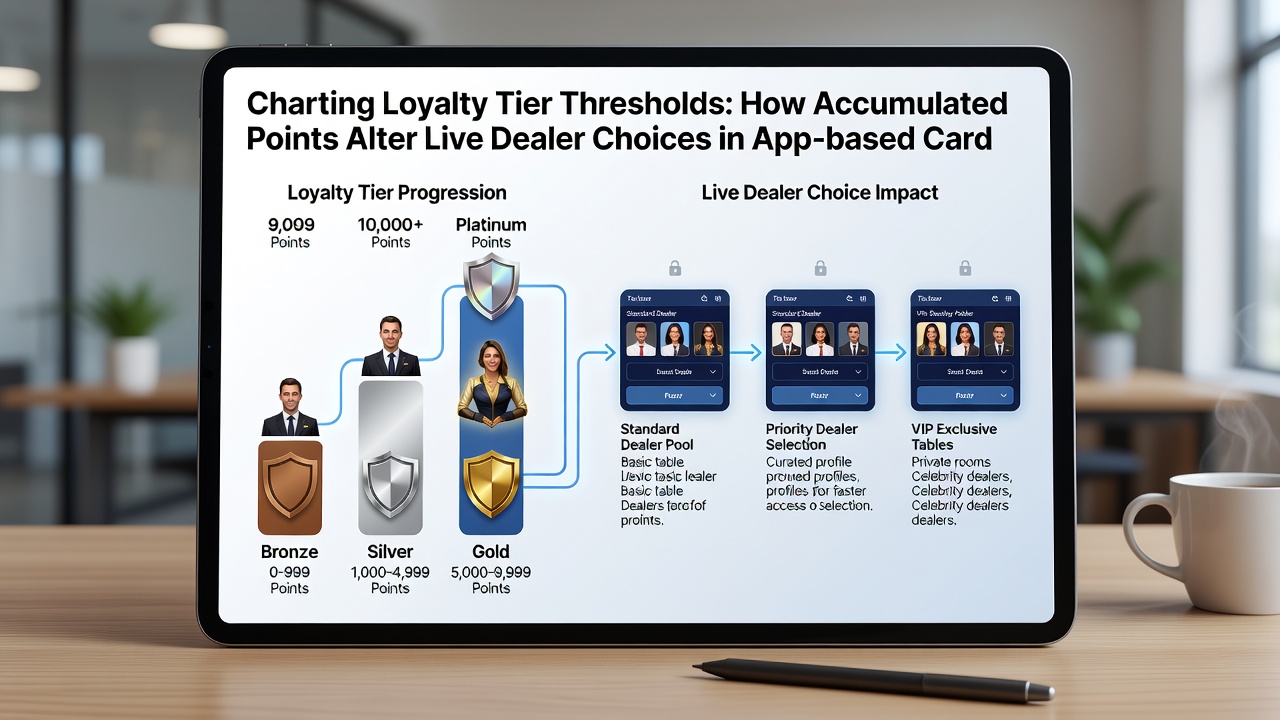
Studies found that users who accumulate points toward upper tiers demonstrate increased selection of dealers known for slower pacing during high-stakes rounds, whereas entry-level accounts default to faster rotations to maximize session volume. The reality is that these preferences emerge only after the system reveals detailed dealer statistics tied to each loyalty bracket. What's interesting is how the same point totals that unlock dealer choices simultaneously adjust betting limits and event entry fees, creating interconnected reward pathways rather than isolated benefits.
August 2026 Platform Updates and Reporting Requirements
Beginning in August 2026 several major app providers introduced updated loyalty dashboards that display projected point milestones alongside current dealer availability calendars. These enhancements followed regulatory adjustments in multiple jurisdictions requiring clearer disclosure of how accumulated rewards influence game access. Figures reveal that the changes prompted a measurable uptick in tier advancement activity during the first reporting period, with users responding to transparent milestone tracking by adjusting play patterns accordingly.
External monitoring from bodies such as the Pennsylvania Gaming Control Board tracks compliance with these disclosure rules across licensed mobile operators. Industry organizations including the European Gaming and Betting Association have published guidelines on loyalty transparency that align with the August rollout timeline, and those guidelines emphasize consistent point valuation across different card event formats. Researchers discovered that apps implementing these updates saw reduced support queries related to tier benefits, suggesting improved user comprehension of selection mechanics.
Integration with Event Scheduling and Tournament Entry
Loyalty tiers intersect with live event calendars by granting early registration windows to higher-point holders, and this priority access influences which dealers appear in premium tournaments. Data shows that point thresholds above 50,000 often coincide with invitations to exclusive dealer tables that operate on restricted schedules, while lower tiers receive standard event listings. The ball remains in the platform's court to maintain accurate synchronization between point ledgers and real-time dealer availability feeds.
Case examples from app analytics indicate that users who strategically time their play to coincide with double-point promotions accelerate their progress toward dealer selection privileges. Those who've examined the data note that the same mechanisms also feed into broader reward ecosystems, where tier status carries over into related card variants and bonus round eligibility. External links to academic work from institutions like the University of Nevada, Las Vegas Center for Gaming Research provide further context on how loyalty structures evolve within digital gaming environments.
Conclusion
Loyalty tier thresholds continue to shape dealer selection processes within app-based card events through structured point accumulation and progressive access levels. Platform updates scheduled around August 2026 reinforced transparency requirements that allow users to anticipate when new dealer options become available. Regulatory oversight from varied jurisdictions maintains consistency in how these systems operate, while data collection on user behavior provides ongoing insights into the relationship between points and choices. Continued monitoring will track whether these patterns persist as mobile platforms refine their reward frameworks.