Speed Matters: How Transaction Timings Shape Competitive Edges in Smartphone-Based Dealer Interactions
Olivia Koch · Aug 23, 2026
Speed Matters: How Transaction Timings Shape Competitive Edges in Smartphone-Based Dealer Interactions
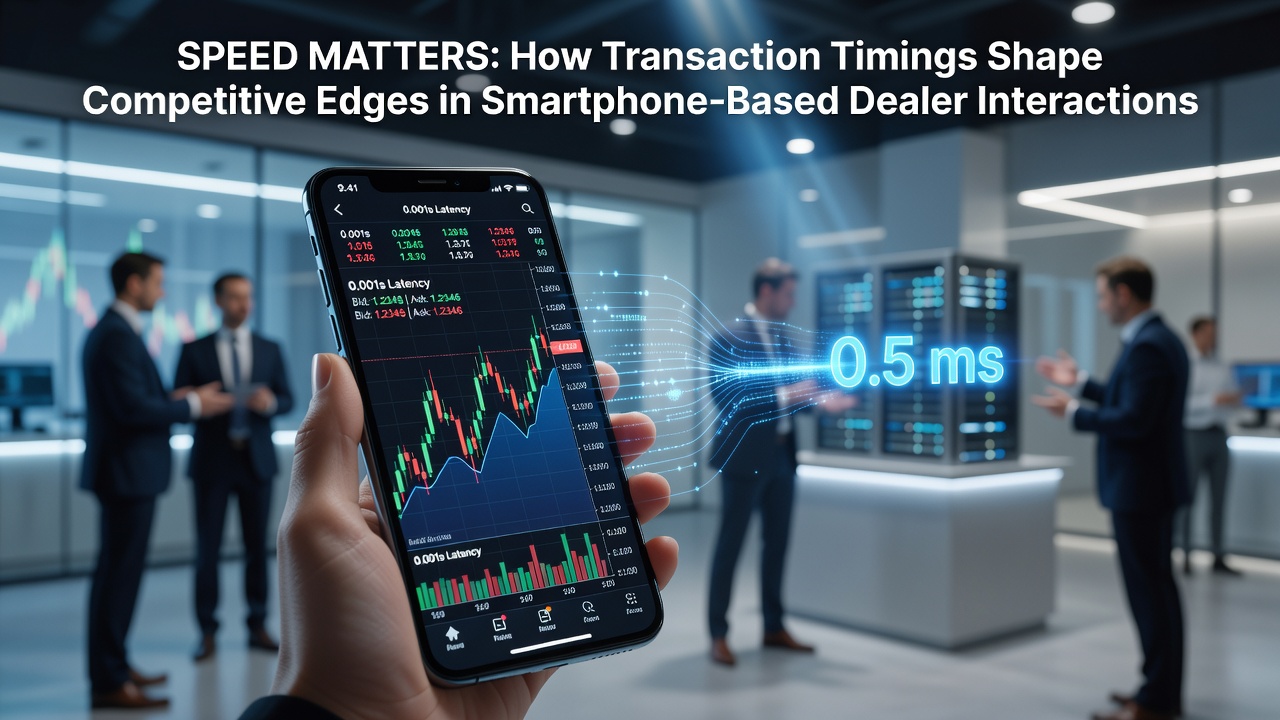
Transaction speed has become a defining factor in smartphone-based dealer platforms where milliseconds often determine whether an order executes at the intended price or slips away amid market movement. Financial institutions and individual traders alike rely on mobile applications that connect directly to dealer networks, and those networks process bids, offers, and confirmations through layered systems of servers, APIs, and mobile data pathways. Research from the Bank for International Settlements indicates that platforms reducing average order confirmation times below 150 milliseconds have recorded measurable improvements in execution quality for equity and foreign-exchange trades conducted on handheld devices.
Latency Components in Mobile Dealer Systems
Every smartphone transaction passes through several stages that collectively shape total processing duration, beginning with the moment a user taps the confirmation button and ending when the dealer system returns a filled or rejected status. Network latency accounts for the largest share in most cases, followed by application-level queuing, encryption overhead, and the dealer’s own matching engine response. Studies conducted by academic teams at the Massachusetts Institute of Technology have shown that optimizing just the encryption step can shave 40 to 60 milliseconds off round-trip times without compromising regulatory security requirements. Mobile operating systems introduce additional variability because background processes and battery-saving modes can delay packet transmission by unpredictable intervals.
Dealers that publish real-time latency dashboards allow traders to monitor these variables during active sessions, and several large brokerage firms have integrated such displays into their flagship apps since 2024. Data collected across North American and European markets reveal that traders who consistently select servers with sub-80-millisecond ping times achieve fill rates approximately 3.2 percent higher than those routed through slower connections during volatile periods.
Market Data and Order Execution Timing
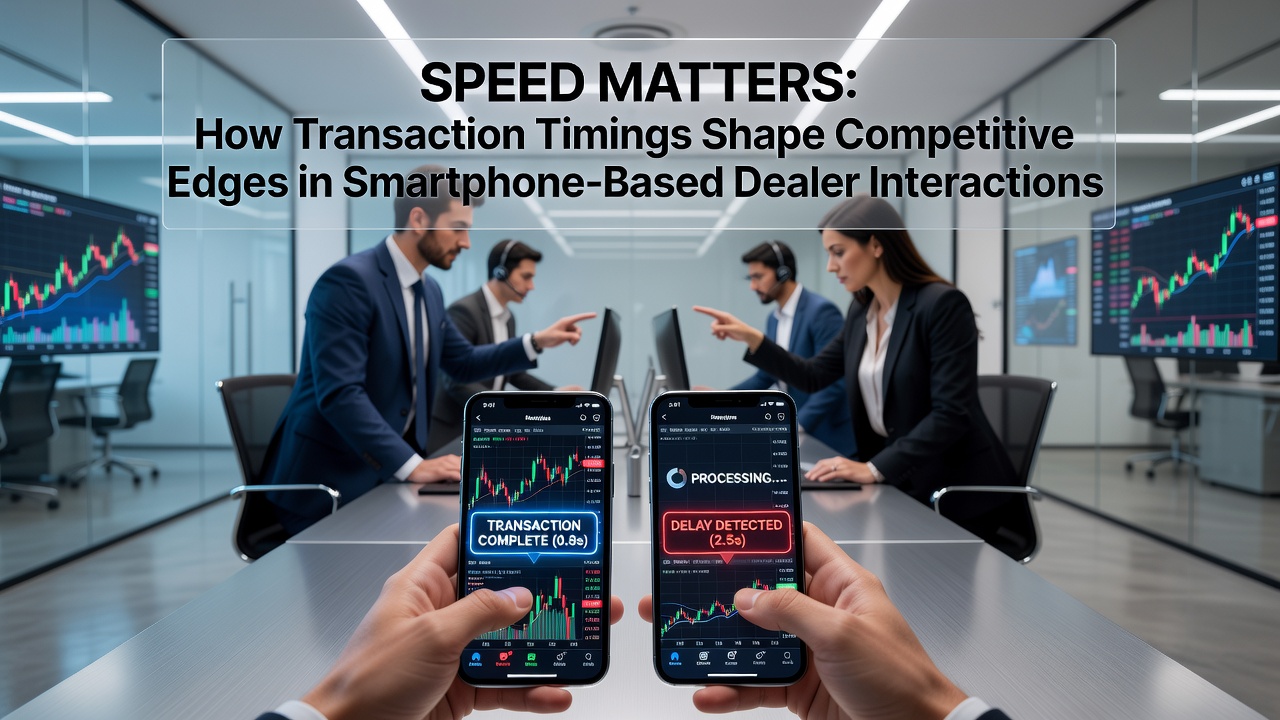
Price quotes delivered to smartphone screens must remain synchronized with the dealer’s central order book, yet transmission delays can cause the displayed price to diverge from the actual executable price by the time an order reaches the matching engine. The Australian Securities and Investments Commission published findings in 2025 that highlighted how quote-staleness intervals exceeding 250 milliseconds correlated with increased slippage costs for retail participants using mobile interfaces. In response, several platforms introduced “speed-tier” routing options that prioritize low-latency paths for users willing to pay premium data fees.
August 2026 is scheduled to bring updated technical standards from the European Securities and Markets Authority that will require all mobile dealer applications serving EU clients to report average order-acknowledgment times on a monthly basis. These disclosures are expected to give traders clearer benchmarks when comparing competing applications and may accelerate adoption of 5G network slicing dedicated to financial traffic.
Competitive Advantages Derived from Timing Edges
High-frequency trading desks have long understood the value of proximity hosting, yet smartphone-based dealers now extend similar principles to retail users through edge-computing nodes located near major mobile carrier exchanges. Observers note that traders who maintain accounts on multiple platforms can route orders dynamically based on live latency readings, effectively creating a personal smart-order-router on their device. One analysis of Canadian equity markets during the first half of 2025 found that accounts employing such multi-platform strategies captured an average improvement of 1.8 basis points per trade compared with single-platform users.
Payment and settlement timing also influence overall competitiveness because many dealer applications now bundle instant funding features with order placement. Faster deposit confirmation allows traders to respond immediately to breaking news or sudden price gaps without waiting for traditional banking rails to clear. Industry reports compiled by the International Organization of Securities Commissions show that platforms offering sub-five-second funding verification experienced 22 percent higher order volumes during earnings seasons than those with longer processing windows.
Regulatory and Infrastructure Developments
Global regulators continue to examine how transaction timing disparities affect market fairness, particularly when smartphone users compete against institutional participants who enjoy direct fiber connections. The Monetary Authority of Singapore released a consultation paper in late 2025 proposing minimum performance thresholds for all licensed mobile trading interfaces, with penalties tied to repeated failures to meet those thresholds. Meanwhile, telecommunications providers in several Asian markets have begun offering dedicated low-latency slices for financial applications, creating new infrastructure options that dealer platforms are actively testing.
These developments collectively point toward an environment in which transaction timing transparency becomes a standard disclosure item rather than a competitive secret. Traders who monitor and adapt to these metrics stand to maintain measurable advantages as infrastructure and regulatory expectations evolve through 2026 and beyond.
Conclusion
Transaction timing in smartphone-based dealer interactions rests on a combination of network performance, application design, regulatory mandates, and infrastructure investments that continue to shift. Data from multiple jurisdictions demonstrate that even modest reductions in latency can translate into measurable differences in execution quality and trading outcomes. As August 2026 approaches and new reporting requirements take effect, market participants will gain additional tools to evaluate and select platforms based on verifiable speed metrics rather than marketing claims alone.