Synchronizing Blackjack Gameplay Features with Casino Platform Incentives
Anna Wagner · Jul 7, 2026
Synchronizing Blackjack Gameplay Features with Casino Platform Incentives
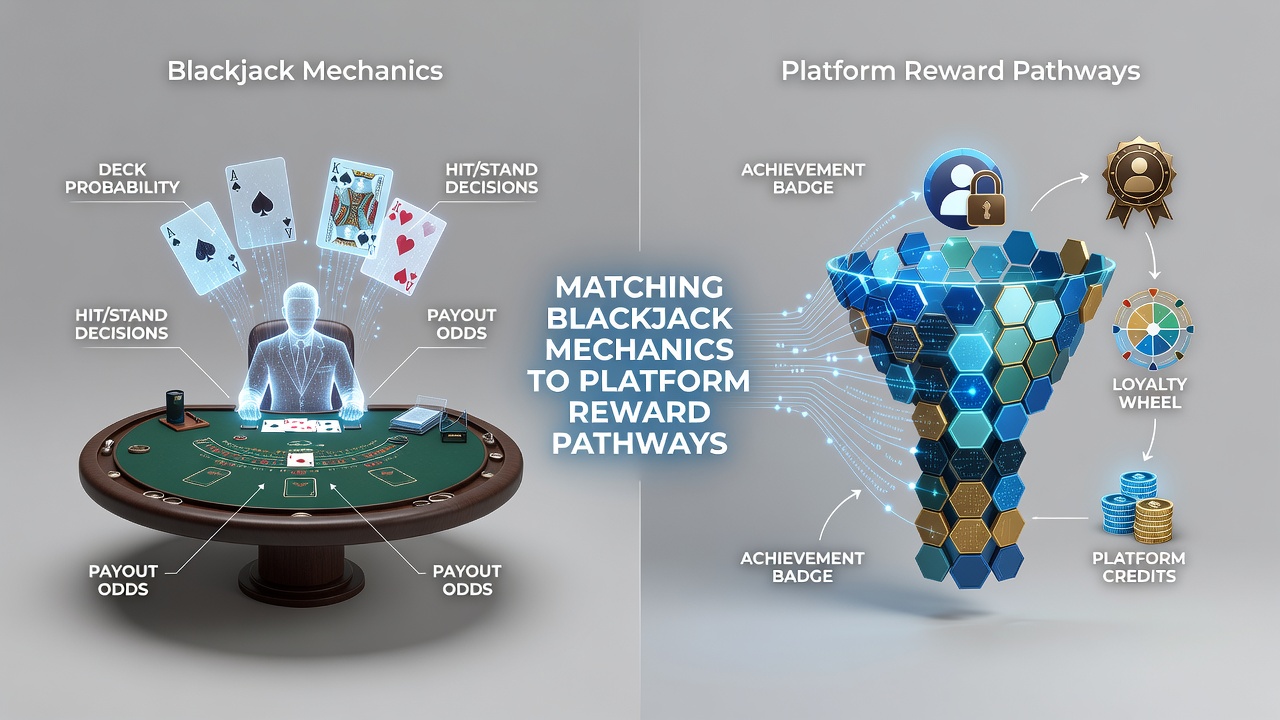
Blackjack operates through a set of core decisions that players make during each hand, and these same decisions now map directly onto the algorithms that calculate loyalty points, tier progression, and bonus unlocks on many digital platforms. Research from the University of Nevada's gaming studies department shows how specific actions like splitting pairs or doubling down generate measurable data points that feed into reward engines, creating pathways where consistent play translates into tangible returns such as free credits or cashback percentages.
Platform designers structure reward systems around the statistical weight of each blackjack move, so that hands involving higher-risk choices like doubling after a split contribute more points per wager than simple hits or stands. Data from industry reports compiled by the Canadian Partnership for Responsible Gambling indicates these alignments have become standard across major operators since the mid-2010s, with point multipliers often tied to the volatility of the chosen mechanic rather than the raw bet size alone.
Core Blackjack Decisions and Their Data Footprint
Each player choice leaves a distinct trace in the platform's tracking layer. Standing on a hard 17 registers as a conservative pattern that platforms reward through steady accumulation toward weekly cashback tiers, whereas repeated splits on pairs like eights signal aggressive volume that accelerates VIP qualification. Observers note that these patterns allow systems to categorize players automatically, matching them to bonus structures designed for their demonstrated style.
Insurance bets, though statistically unfavorable in most cases, carry separate weighting in certain reward models because they represent an additional wager layer. Figures released by the Australian Gambling Research Centre reveal that platforms in regulated markets assign incremental loyalty multipliers to insurance activity when it occurs within defined session lengths, thereby linking the mechanic to milestone rewards such as tournament entries or deposit matches.
Platform Algorithms and Point Allocation Logic
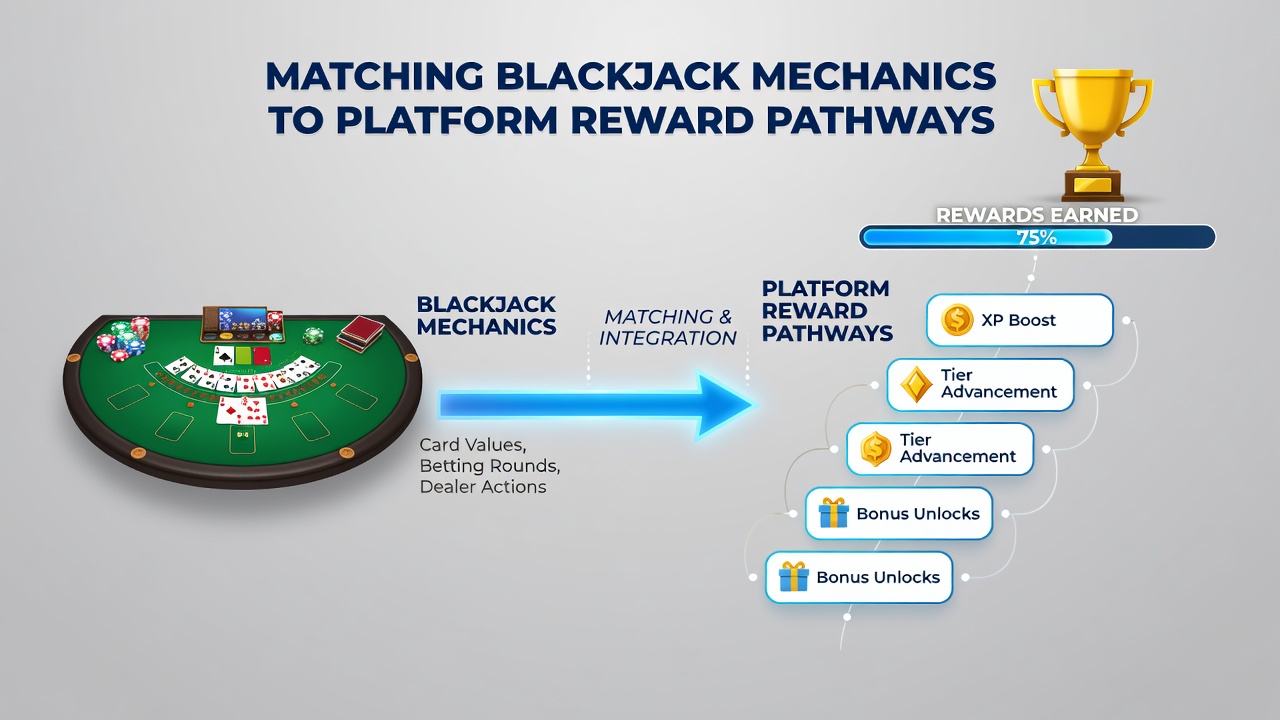
Reward pathways function through layered formulas that convert blackjack actions into normalized values. A platform might award base points for every 10 units wagered, then apply a multiplier when the hand involves doubling down, because that mechanic increases both the expected bet size and the session duration. This approach ensures that players who engage multiple decision branches per round progress faster through loyalty ladders than those who follow minimal strategies.
Seasonal promotions frequently overlay these base mechanics. During periods when operators refresh their frameworks, certain actions receive temporary boosts, such as extra points for every surrender executed on specific totals. Those who've studied platform updates note that such targeted incentives help balance player distribution across tables while maintaining the underlying statistical integrity of the reward calculation.
Integration Examples Across Markets
One documented case from European operators shows how surrender mechanics were paired with a mid-week loyalty surge, resulting in higher engagement rates for that feature without altering standard payout ratios. Another instance tracked by North American regulatory filings demonstrates that platforms began weighting double-down sequences more heavily after hardware compliance reviews scheduled for July 2026, when non-conforming terminals must exit service and operators shift emphasis to software-based reward triggers.
These integrations rely on real-time data feeds rather than static rulesets. As hands progress, the system recalibrates point awards based on the cumulative risk profile, ensuring that reward pathways remain responsive to both individual decisions and broader session trends. Research indicates this dynamic matching reduces the gap between perceived effort and actual returns for participants who vary their approach across multiple rounds.
Regulatory Context Shaping Current Alignments
Updates to machine and software standards scheduled across multiple jurisdictions for July 2026 require platforms to log every decision mechanic with greater granularity. This change compels operators to refine how blackjack actions map to reward outputs, particularly for features like splitting and doubling that generate the highest data density. Government agencies in several regions have issued guidance emphasizing transparent point allocation, which in turn influences how pathways are presented to users through in-game notifications and account summaries.
Industry associations such as the European Gaming and Betting Association have published frameworks that encourage operators to align reward triggers with responsible play indicators. These documents highlight methods for capping point acceleration on high-volatility mechanics while still preserving the incentive structures that draw consistent participation.
Conclusion
Blackjack mechanics and platform reward pathways continue to converge through data-driven design choices that convert each hand decision into measurable progress. Regulatory deadlines approaching in July 2026 will further standardize these connections, requiring clearer documentation of how actions like splitting or doubling feed into loyalty calculations. The result is a more integrated experience where gameplay patterns directly inform the structure and timing of available rewards across different markets.