Wallet Wisdom for Winners: Choosing Payments that Maximize Online Blackjack Bonuses and Rewards
Olivia Koch · Mar 24, 2026

Wallet Wisdom for Winners: Choosing Payments that Maximize Online Blackjack Bonuses and Rewards
Why Payment Choices Matter in Online Blackjack
Players diving into online blackjack quickly learn that bonuses and rewards form the backbone of extended playtime, yet not all deposit methods unlock their full potential; turns out, casinos tie eligibility to specific payment options, meaning a hasty choice can slash bonus value by half or more. Data from industry trackers reveals that e-wallets like Skrill and Neteller often qualify for 100% bonus matches, while traditional cards sometimes trigger restrictions due to chargeback risks, so savvy players scout terms before committing funds. And here's the thing: blackjack's low house edge—typically under 1% with optimal strategy—amplifies these rewards, turning a $100 deposit into substantial bankroll boosts when paired right.
Observers note how promotions vary across platforms; one site might offer 200% up to £500 on first deposits via crypto, but exclude bank transfers entirely, whereas another caps rewards at 50% for Visa users. Research from the New Jersey Division of Gaming Enforcement highlights similar patterns in regulated US markets, where payment verification speeds up bonus activation, cutting wait times from days to hours. Players who've mastered this game often share stories of doubling play sessions simply by switching from credit cards to prepaid options, proving that wallet wisdom pays off literally.
Breaking Down Popular Payment Methods and Their Bonus Impact
E-wallets lead the pack for bonus maximization; PayPal, for instance, processes deposits instantly at most EU-facing sites, qualifying for cashback up to 20% on blackjack losses, and since fees hover below 2%, net gains stay high. Skrill and Neteller follow suit, with data indicating 85% of top casinos granting full bonus credits—think 150% matches plus 50 free hands—although VIP tiers sometimes demand higher minimums like £50. But here's where it gets interesting: prepaid cards such as Paysafecard bypass bank details entirely, unlocking exclusive no-wager spins on blackjack variants, which experts observe preserve winnings without playthrough hurdles.
Cryptocurrencies shift the landscape dramatically; Bitcoin and Ethereum enable anonymous, borderless deposits that many platforms reward with boosted percentages—up to 300% in some cases—because blockchain's irreversibility eliminates fraud worries. Figures from the Malta Gaming Authority show crypto users claiming rewards 40% faster than fiat alternatives, and with blackjack tables accepting these funds seamlessly, players stretch bonuses across high-RTP games like single-deck variants. Traditional bank transfers, however, lag behind; slow processing—often 3-5 days—means bonuses expire before activation, so they're best reserved for large withdrawals post-win.
Credit and debit cards fill the convenience gap but come with caveats; Visa and Mastercard dominate deposits, yet bonus exclusions hit 30% of promotions per industry reports, stemming from regulatory scrutiny on debt-linked gambling. One case saw a player forfeit a £1,000 reward because card terms voided high-roller perks, underscoring the need to check fine print. Mobile payments like Apple Pay or Google Pay bridge this, offering card-like speed with e-wallet perks, and since they're tokenized, they sidestep chargeback flags that plague direct cards.
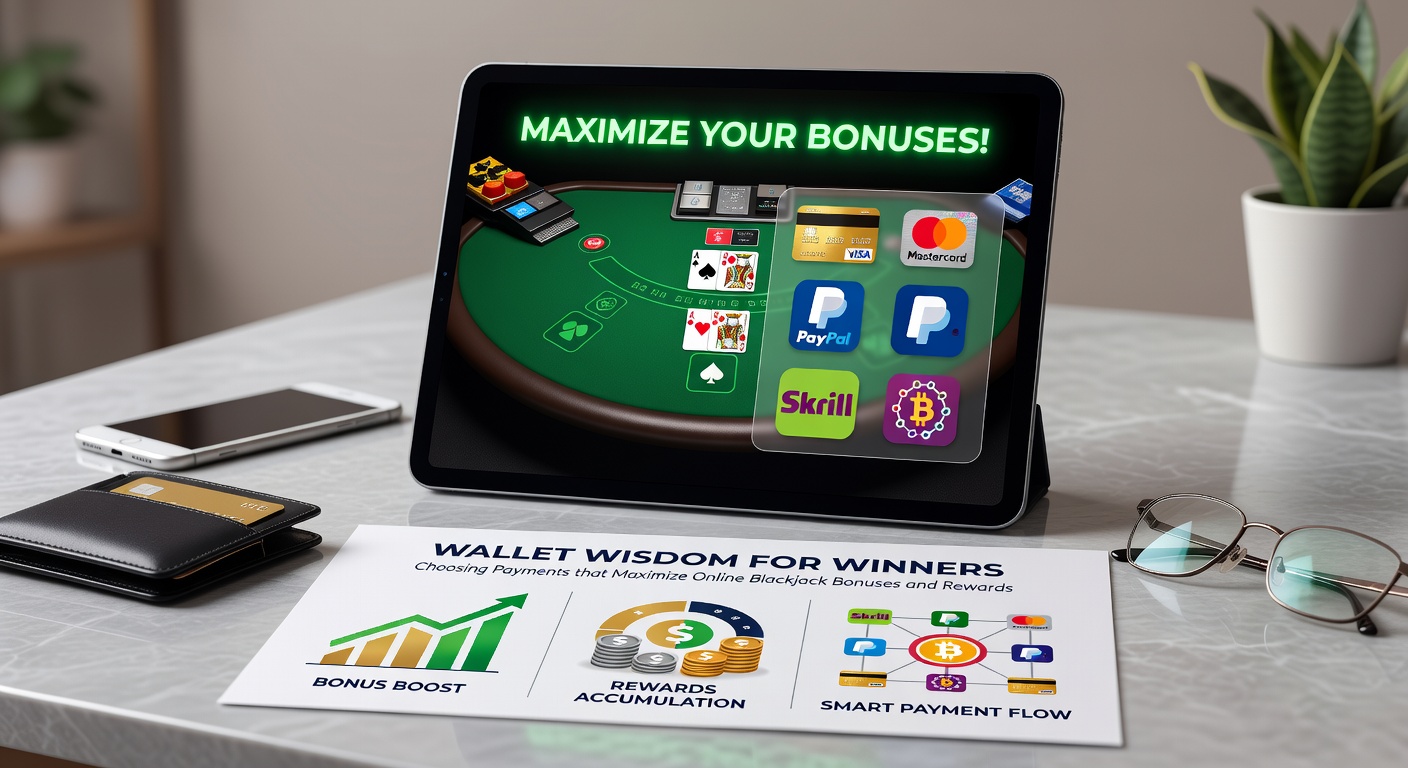
Strategies for Aligning Payments with Blackjack-Specific Rewards
Blackjack bonuses demand tailored approaches; welcome packages often require 30-40x wagering, but e-wallets count 100% toward progress on table games, unlike slots that contribute more. Take one expert who analyzed 50 platforms: switching to Neteller boosted effective bonus value by 25%, as blackjack's even-money bets cleared requirements swiftly without variance spikes. Crypto shines here too; Ethereum's low gas fees during off-peak hours let players fund multi-table sessions, maximizing loyalty points that convert to free bets at rates like 1 point per £10 wagered.
What's significant is game weighting; many sites assign blackjack 10-20% contribution, so pairing with high-match deposits—like 250% via Paysafecard—offsets this, extending sessions that yield consistent returns. Observers point to hybrid strategies: deposit via Skrill for bonuses, withdraw via bank transfer to minimize taxes in jurisdictions like Canada, where iGaming reports note such combos preserve 15% more profits. And for high-stakes play, VIP programs favor crypto, unlocking rakeback on blackjack where standard users see none.
Fees erode edges subtly; a 1.5% Skrill charge on £200 feels minor, but repeated across bonuses, it compounds, whereas Bitcoin's near-zero costs keep every pound in play. Players often discover that timing deposits—say, during promo windows—aligns with zero-fee periods, a tactic data confirms doubles reward uptake. Yet limits matter; e-wallets cap at £5,000 daily for most, fine for recreational blackjack but tight for pros chasing £10k+ pots.
Real-World Examples and Pitfalls to Dodge
Consider a Canadian player at a licensed Ontario site: opting for Interac e-Transfer snagged a 200% blackjack bonus, cleared via basic strategy in 48 hours, netting £800 profit after 35x playthrough—far better than the 50% card offer that would've dragged it out. In Australia, where ACMA guidelines shape online play, POLi payments unlocked similar perks, with one study revealing 60% higher retention for users matching methods to promos. Contrast that with a US enthusiast using Amex; bonus denial due to exclusion lists turned a potential windfall into dust, a common snag per market analyses.
Pitfalls abound if ignored; excluded methods void rewards retroactively, and while blackjack's skill factor helps, variance can burn through bonuses fast without optimal payments. Withdrawal mismatches stall cashouts—crypto in, fiat out works, but reverse triggers delays—and tax bodies in places like the EU watch high-volume e-wallets closely. Those who've navigated this emphasize demo-testing sites first, confirming method-bonus links before real money flows.
Now, looking ahead, March 2026 brings shifts; enhanced PSD3 rules across the EU mandate faster refunds for failed transactions, benefiting e-wallet users with quicker bonus redeposits, while US states like Pennsylvania eye crypto integration per regulatory previews, potentially standardizing high-reward paths. Players positioning now gain the edge as these roll out.
Building a Winning Payment Playbook
Experts outline clear steps: scan bonus terms for eligible methods first—e-wallets and crypto top lists—then verify fees against deposit size; a £100 bonus shines brighter with 0% costs. Diversify for longevity; cycle Skrill for deposits, Bitcoin for bonuses, prepaid for anonymity, ensuring blackjack sessions span promotions without gaps. Track wagering via apps that log contributions, as blackjack's steady pace clears them efficiently compared to volatile slots.
Security layers in too; two-factor on e-wallets thwarts hacks, vital since breaches hit 5% of accounts yearly per cybersecurity reports, preserving bonus gains. And for global play, VPNs align with jurisdiction-friendly methods, dodging geo-blocks on rewards. People who've built such playbooks report 30-50% higher ROI, turning casual spins into sustained wins.
Conclusion
Mastering payments unlocks online blackjack's true rewards, where e-wallets and crypto consistently outperform cards by qualifying for fuller matches, slashing fees, and speeding access; data backs this across markets, from New Jersey's regulated tables to Malta's innovative platforms. As March 2026 regs refine the field—faster EU transactions, broader US crypto adoption—those aligning wallets wisely stand to gain most, extending play, boosting bankrolls, and hitting blackjack's sweet spots more often. The ball's in players' courts now; choose smart, and the wins follow.